

Last updated on 2 January 2026 by Brisbane Livewell Clinic Editorial Team
Maintaining Good Health is everything. Exercising regularly and counting all the calories in your meals can help you reach your weight-loss goal. Staying healthy is not just limited to dieting and working out. Instead, it should be about planning a framework that you can work along the rest of your life, to keep existing and potential health issues at bay.
Creating a healthy diet to improve your health and wellbeing is a great way to complement regular exercise.
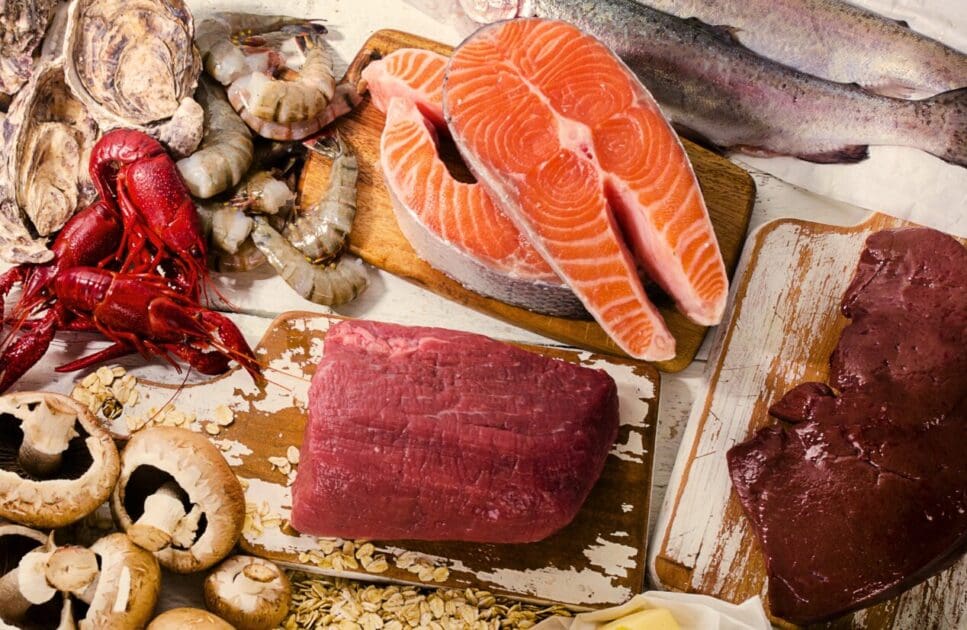
The Healthy Diet Challenge
Eating habits can’t be changed suddenly. They take time, dedication and a whole lot of patience. Introduce yourself to different kinds of vegetables that you’ve been dreading all your life. One at a time, incorporate them into your daily meals and notice if they taste good and if they’re keeping you feel energised and full for longer.
Eat fruits, vegetables and lentils to reach your daily calorie count. Omit all bad calories which make you feel bloated; add healthy ones that keep you from getting hungry frequently.
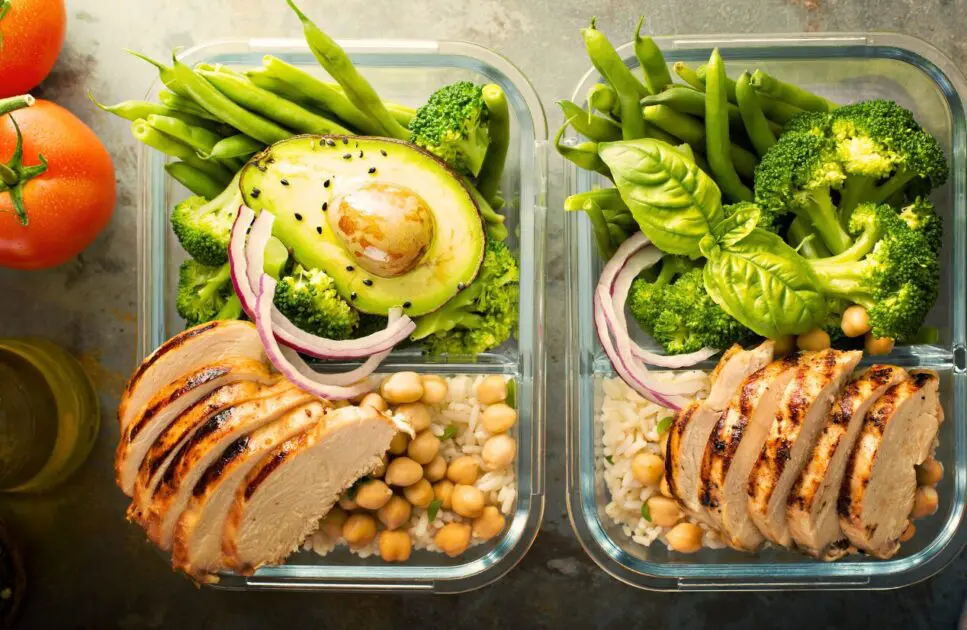
What You Should Be Eating
- No deep-frying fish or chicken anymore! Just drizzle some olive oil on whatever protein you’ve chosen for the day and either grill or broil it in the oven.
- Eat wholegrain bread with any of your favourited fruit on top. Don’t dredge it in butter or cheeses; instead, find out what other low-fat and healthier substitutes you can choose to go on your bread
- Say goodbye to the untimed snack cravings. If you feel hungry, eat a big bowl full of your favourite seasonal fruits. No Cheetos!
- Don’t eat processed foods, as they contain hidden and harmful fats.
- If you crave soft drinks, just fulfil your craving with a fruit iced tea.

Understanding What Makes Up a Healthy Diet
A healthy diet focuses on balance, variety, and consistency. It includes a mix of whole foods such as vegetables, fruits, lean proteins, whole grains, legumes, and healthy fats. Limiting sugar, processed foods, and additives supports long-term wellbeing.
Eating across the full range of food groups ensures you get the nutrients needed for digestion, energy, and immune support.
Patients often benefit from gradually making changes rather than overhauling their entire diet at once.
How Diet Supports Gut Health
Gut health plays a key role in the immune system, mental clarity, and energy levels. A diet high in fibre, plant-based foods, and fermented ingredients may support a healthy gut microbiome.
Whole grains, leafy vegetables, legumes, and fermented foods like yoghurt or sauerkraut provide prebiotics and probiotics.
Many patients also find relief from bloating or irregular bowel movements by removing inflammatory foods and working with a Naturopath.

Meal Planning to Stay on Track
Meal planning helps people avoid poor food choices during busy weeks. A simple weekly plan can help patients meet their nutrition needs without relying on takeaway or processed foods.
Batch cooking, prepping ingredients in advance, and shopping with a set list may support consistent eating habits. This also makes it easier to stick to health goals and reduce food waste.
Sustainable Eating That Works in Real Life
A healthy diet can also be sustainable. Eating seasonally, reducing food packaging, and choosing locally sourced options may reduce your environmental impact.
These small changes make a difference when done regularly. Sustainable eating is about consistency, not perfection. It is also often more affordable and supports better food quality.
Common Barriers to Healthy Eating – and How to Overcome Them
Some people think healthy eating is too expensive, time-consuming or hard to maintain. The reality is that many changes are simple and cost-effective.
Preparing meals at home, shopping for fresh produce in-season, and using bulk pantry staples like lentils and oats are easy ways to eat well on a budget.
Our patients often see success when we start small and adjust plans over time.

Remember when creating a healthy diet:
- Following a well-balanced diet plan will do wonders for you. You could begin by consulting a clinical nutritionist who helps you set your goals better.
- Don’t rush things and go on a ‘no-meal’ diet on your day-1. Incorporate exercise into your daily routine. Start off with 20 minutes a day and increase the duration gradually, so you don’t get exhausted too quickly.

FAQs – Healthy Diet and Nutrition Support
1. What should be included in a healthy diet?
A healthy diet includes a variety of whole foods such as vegetables, fruits, whole grains, lean proteins, legumes, and healthy fats. It also limits sugar, processed ingredients, and added salt.
2. How does gut health relate to diet?
Gut health is influenced by the foods you eat. A diet high in fibre and fermented foods may support digestion, nutrient absorption, and immune function.
3. Can meal planning help with eating well?
Meal planning helps patients maintain a healthy diet by making it easier to prepare balanced meals, avoid processed options, and reduce unnecessary food purchases.
4. What are some sustainable eating habits?
Sustainable eating includes choosing seasonal produce, buying in bulk, preparing meals at home, and reducing food waste through proper storage and portioning.
5. Is it possible to eat healthily on a budget?
It is possible to eat well on a budget by using ingredients like lentils, beans, oats, and seasonal vegetables. Planning meals and shopping with a list also helps reduce costs.
6. What foods may support better mental health?
Foods rich in healthy fats, B vitamins, and antioxidants—like leafy greens, nuts, seeds, berries, and oily fish—may support mood regulation and brain function.
7. How often should I speak to a nutrition professional?
Reviewing your diet with a Naturopath every few months can help you stay on track and address any changes in your health or lifestyle that affect your food choices.