Last updated on 1 January 2026 by Brisbane Livewell Clinic Editorial Team
Under normal circumstances, we tend to have a slow and shallow breathing rate that averages 12 to 20 breaths per minute. When exercising, it can increase to 40-50 breaths per minute, but when sitting in a relaxed state, the rate is generally around 10-12 breaths per minute. During panic attacks, our heart rate increases as does our rate of breathing. This is a normal function of the fight or flight response and is designed to last just a few minutes for you to flee to safety. After a period of stress, or even exercise, we often take a long deep breath or a sigh of relief. That deep breath is a signal that we have reached safety and are now no longer under threat of harm, and our bodies switch from sympathetic nervous system dominance to the relaxed parasympathetic state.
The Vagus nerve is the main parasympathetic nerve. It innervates the mouth, larynx, pharynx, heart, lungs, and digestive tract as a consequence affects digestion, the immune response and has control over your mood. It influences the monoaminergic pathways, including serotonin, dopamine, adrenaline, noradrenaline and histamine. It provides the brain with vital information about the state of your internal organs.

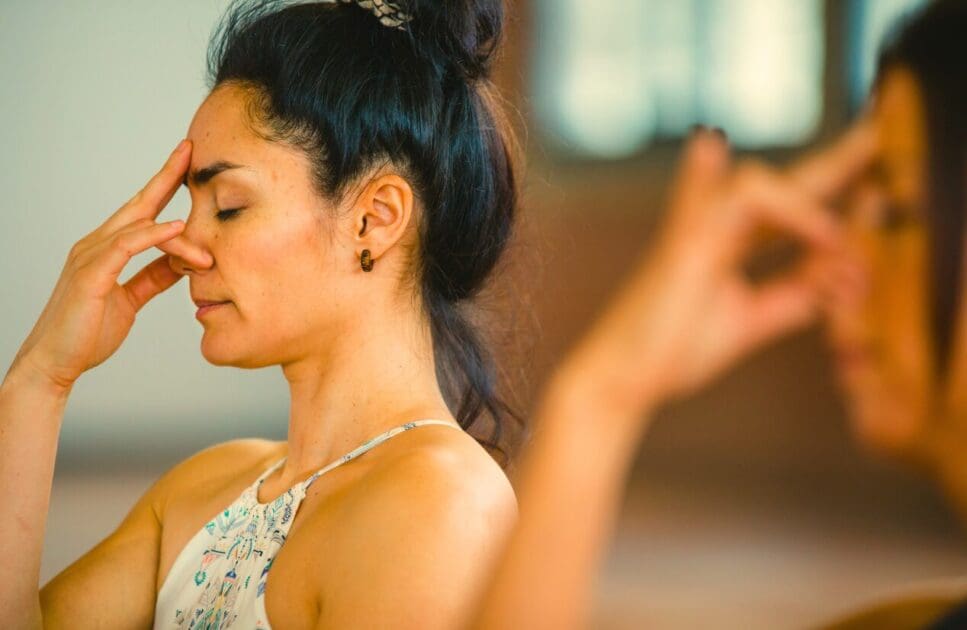
We can use our knowledge of breathing to hack the Vagus nerve and activate our parasympathetic nervous system. Follow these steps:
- The key to breathing for relaxation is to breathe from the belly to draw down the diaphragm and increase the volume of air that you bring into the lungs.
- Ensure that your shoulders do not lift as you breath, instead, ensure that your belly moves forward. It is best to do this while sitting with your back straight.
- Place one hand on your stomach and notice that it moves during this exercise.
- Breathe in slowly through the nose to the count of 4, hold your breath for the count of 4 then slowly exhale through the mouth to the count of 8. As you might have guessed, the emphasis is on the out-breath.
- Repeat these steps 5 or 6 times, and do this several times throughout the day.
You can do this when you feel anxiety bubbling up. This is a handy technique and helps to oxygenate the brain and relieve stress.
Frequently Asked Questions
1. Can breathing techniques help reduce anxiety symptoms?
Breathing techniques can help reduce anxiety symptoms by calming the nervous system and lowering stress hormones. Slow, deep breathing may assist in shifting the body out of 'fight or flight' mode.
2. What is the best breathing technique for anxiety?
The best breathing technique for anxiety depends on the person, but many people find box breathing, diaphragmatic breathing, or 4-7-8 breathing helpful. These techniques focus on slow, controlled breaths to calm the mind and body.
3. How often should I practise breathing exercises for anxiety?
Breathing exercises for anxiety can be practised daily, even when you’re not feeling anxious. Practising regularly may help your body respond better during stressful moments.
4. Can children use breathing techniques to manage anxiety?
Children can use breathing techniques to manage anxiety, and simple methods like balloon breathing or guided audio can make it easier for them to follow. These techniques can help calm the body and improve focus.
5. How long does it take for breathing exercises to work?
Breathing exercises can start to work within a few minutes by lowering heart rate and reducing tension. Long-term use may help reduce overall anxiety and improve emotional resilience.
6. Are breathing techniques safe to use with other treatments?
Breathing techniques are safe to use with other treatments like counselling, medication, or Naturopathy. They are gentle, non-invasive, and work well as part of a broader wellness plan.
7. Do I need to lie down to do breathing exercises?
You do not need to lie down to do breathing exercises. They can be done sitting, standing or even while walking, as long as your posture allows full, relaxed breathing.