

Last updated on 1 January 2026 by Brisbane Livewell Clinic Editorial Team
There’s no arguing that a Vegetarian or Vegan, Plant-Based Diet is excellent for our Health and Wellbeing in many ways. A Vegan diet provides ample amounts of certain nutrients like Vitamin C, Vitamin E and a high intake of dietary fibre and many health-promoting phytochemicals. (1)
Even when eaten as a whole foods diet with lots of variety, Vegans’ main obstacle is the genuine potential and tendency towards developing nutrient deficiencies, regardless of how healthy a diet they eat. All things considered, it is now easier to consume an adequate Plant-Based diet than it was a decade ago as the versatility and number of fortified products, dietary supplements and new vegetarian convenience foods are more readily available. (2)
Both fortified foods and supplementation are ideally necessary for a Plant-Based Diet as several nutrients are at risk of not meeting the Recommended Dietary Intake (RDI). At times there is also a need for some nutrients to be taken at a therapeutic dose, especially if a deficiency has been identified. For example, Zinc is well recognised as playing an important role in the development and integrity of the immune system(3) and therefore may be taken at higher doses for short periods of time for a therapeutic effect. The same can be said for several other nutrients, which always comes down to the individual and their particular needs.
One particular study on insufficient intake of Vitamins and Minerals when consuming a Vegan diet emphasised key nutrients such as vitamin B12, vitamin D, iron, iodine, and long-chain omega 3 fatty acids. (2)

Each of these 5 nutrients has multifactorial roles to supplement and support a vegan diet.
Vitamin B12
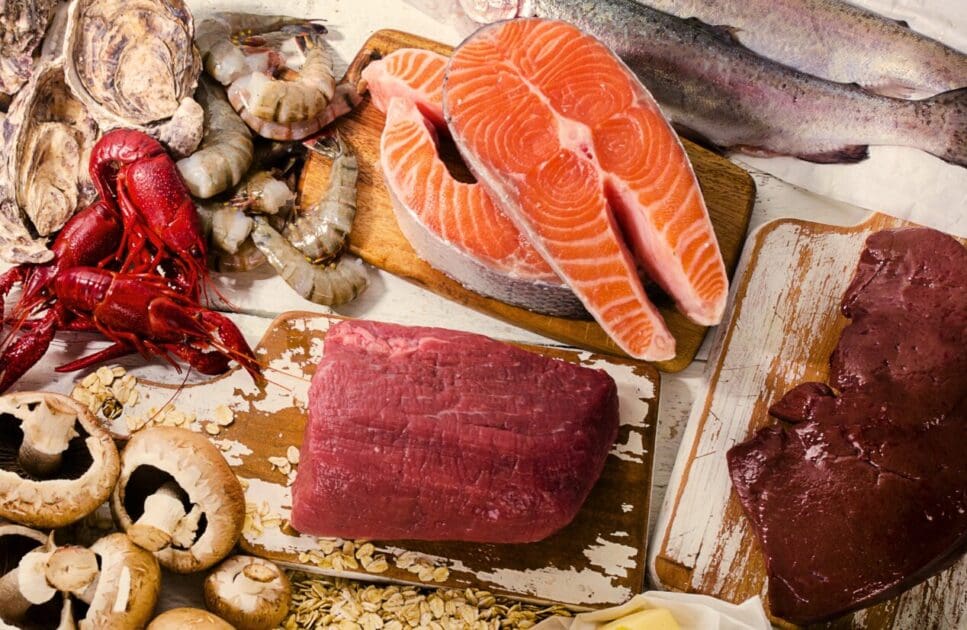
Data indicates that Veganism can lead to the deficiency if cobalamin (B12) is not supplemented. (4) It should be taken on an ongoing basis at least a few times per week, if not daily. The right type of B12 is also important here, so talk to a Practitioner about a quality source of B12. This is the most serious of the nutrients to prioritise as it is well recognised that long-term cobalamin (B12) deficiency can lead to irreversible neurological damage. (4) While some Vegans may report a period of time not supplementing with B12 and not displaying recognisable health consequences in the short term, the onset of deficiency symptoms such as Neuropsychiatric Disorders and Megaloblastic Anaemia usually occurs in 5–10 years. (2)
Vitamin D
A study found that despite the use of dietary supplements, Vitamin D was compromised in most Vegans. (2) Fortunately, nowadays, Vegan-based Vitamin D supplements, as previously using Lanolin to produce supplements, was the only option. Calcium may not have made the top 5, but its work synergistically with Vitamin D, meaning both nutrients are crucial, especially for Bone Mass Density.

Iron
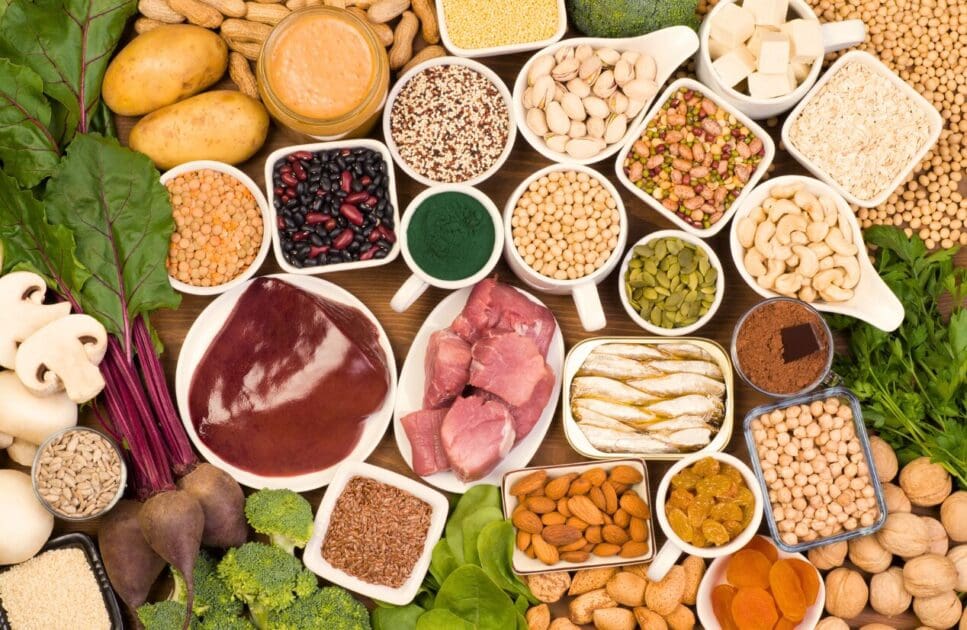
Although plant foods are known to contain iron, the diminished bioavailability of iron from plants(5) is problematic, making iron absorption and utilisation trickier. Blood tests should be performed yearly, or more often if indicated, to monitor iron levels, especially in menstruating women.
Iodine
In a study of 15 Vegans, 80% were found to suffer from Iodine deficiency. Iodine content in plant origin food is lower than that of animal origin due to a low iodine concentration in soil. (6) This means the amount of Iodine in plant food is highly variable based on the soil content the plant is grown in. Supplementation can assure that adequate dietary intake is met, especially when Thyroid and Reproductive hormone health are a top priority. Seaweed is also an option, though iodine content varies greatly too.
Omega 3 (long-chain omega 3 fatty acids)
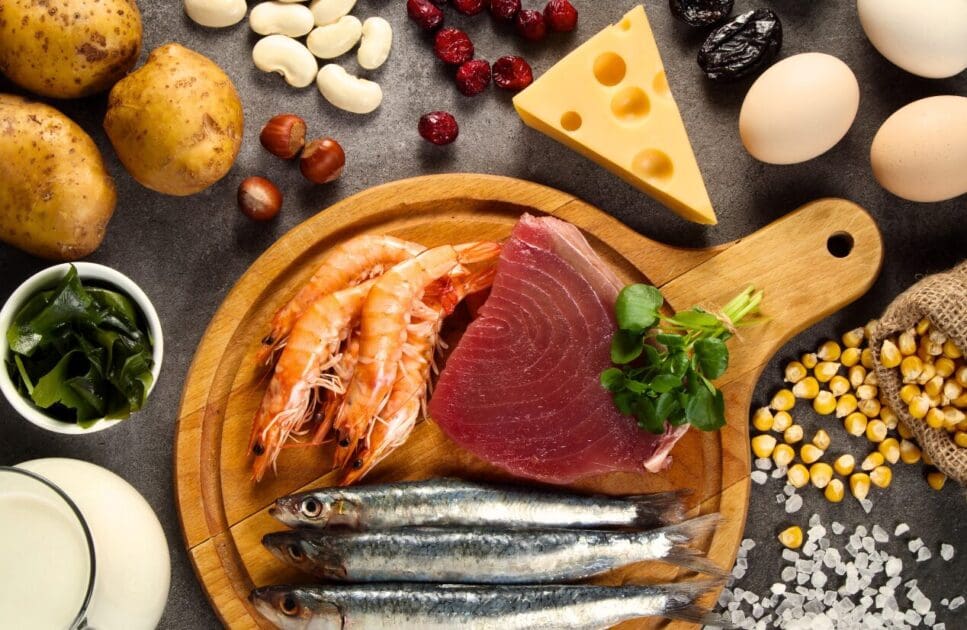
Eicosapentaenoic acid (EPA) and docosahexaenoic acid (DHA) are considered under-consumed in the modern western diet in general and in Vegans. (4) The only direct source of EPA and DHA is cold-water fish and seafood. Indirectly, Alpha Linoleic Acid (ALA), a plant-based omega 3, can be converted to DHA – but only about 0.5%. (6) However, the opposite can also be said when supplementing ALA as it has been shown to increase blood EPA levels but does not appear to affect DHA status. (6) Sources of ALA, such as flax seeds, walnuts, and chia seeds should be consumed daily, and a great solution we offer via the clinic is Microalgae oil as a supplement rich in DHA and EPA.(4)

Supplement for Health, Eat Well for Wellness
Choosing a to have a Vegan diet is a personal choice, and quite often, Veganism is the product of strong ethical beliefs concerning animal welfare. (4) Whether it has been a recent change to your diet, a long term eating style or you are in the process of transitioning or even deciding whether to pursue Veganism, we are here to guide you. Our Naturopaths and Nutritionists can provide you with a comprehensive plan to support your dietary requirements via diet assessment and advice, meal plans, and supplements alongside an assessment of nutrient deficiencies and advice about preventing and managing deficiencies.