
Last updated on 9 January 2026 by Brisbane Livewell Clinic Editorial Team
During IBS Awareness Month we’re talking about functional stool testing on offer to IBS sufferers and this week looks at microbial composition as a tool for interpreting gut health. The importance of gut microbiota in IBS has growing evidence suggesting that subgroups of IBS patients have an altered gut microbiota composition or dysbiosis. (1)
Presented as an altered balance in beneficial or pathogenic bacterial species, dysbiosis is thought to have a bigger impact on gut wellbeing in IBS patients than previously thought. (1) As DNA sequencing technology has emerged, the ability to study the composition of complex microbial communities has greatly improved. (2) With more information at hand, more insights have developed in context to IBS which can guide clinical decision making around treatment strategies.
A variety of observations about the role of microbiota in the onset and progression of IBS include: (3)
- altered composition of the microbiota
- altered metabolic activity of the microbiota
- mucosal immune activation
- mucosal inflammation
- increased intestinal permeability
- impaired mucosal barrier function
Making sense of the Microbiome

Gut microbiota are composed of several species of microorganisms, including bacteria, yeast, and viruses. (4) A stool test report will summarise a range of information about microbes. Some categories include:
Phyla
Just like the animal kingdom, gut microbiota are taxonomically classified by genus, family, order, and phyla. (4) To date, 10 of more than 50 known phyla have been discovered in the human gut. (1) In stool testing, the majority of species reported on are attributed to one of the two largest phyla colonising the human gut, Firmicutes and Bacteroidetes, (1) with these representing 90% of gut microbiota. (4)
Commensals
A group of bacteria seen to be necessary in healthy digestion, with roles such as producing enzymes and metabolites which help the body absorb otherwise unavailable essential nutrients and vitamins. (1) Commensal bacteria also contribute to the maintenance of gut homeostasis by the secretion of proteins that are able to inhibit bacterial toxins. (1)
Opportunistic pathogens – often arising as a result of antibiotic use, bacterial pathogens include Clostridium difficile, Campylobacter spp and Shigella spp. (5) ‘Opportunistic’ refers to the capacity for overgrowth and dominance within the gut flora.
Methanogens
Are methane generating archaea (differing to bacteria) which convert hydrogen in the gut to produce methane. This gas is shown to reduce gut transit, leading to constipation. Both methane gas production and the most the predominant Methanogen – Methanobrevibacter smithii – have been suggested to be in IBS-C. (1)
Normal Bacterial Flora
The different species deemed to be beneficial for gut health are classified here and include Lactobacillus species and Bifidobacterium species which are contained in various probiotic supplements as specific strains of bacteria. Although no consensus has been agreed upon, a weak tendency for a reduction in the beneficial bacteria of the gut, countered with an increase in pathogenic species is seen in IBS patients. (1)
Viral Pathogens
Rotavirus and norovirus are the leading causes of acute gastroenteritis worldwide. (6) Post infectious IBS (PI-IBS) is considered when IBS symptoms occur after a bout of gastroenteritis, however, PI-IBS is more prevalent after bacterial than viral infections. (7)
Parasitology
A number of pathogenic parasites including Blastocystis hominis, Dientamoeba fragilis, and Giardia lamblia may be involved in the progression and exacerbation IBS. (8)
IBS Patterns in the Microbiome Maze
Stool testing is highly variable from person to person and there is no set pattern specific to IBS. While several studies have compared gut microbiota composition in patients with IBS to healthy patients there are limited consistent results. There are however some key findings showing common themes in IBS including: (9)
- increased Firmicutes to Bacteroidetes ratio
- decreased Lactobacilli and Bifidobacteria population
- increased Streptococci and Ruminococcus species
The Benefits of Stool Testing to Evaluate IBS
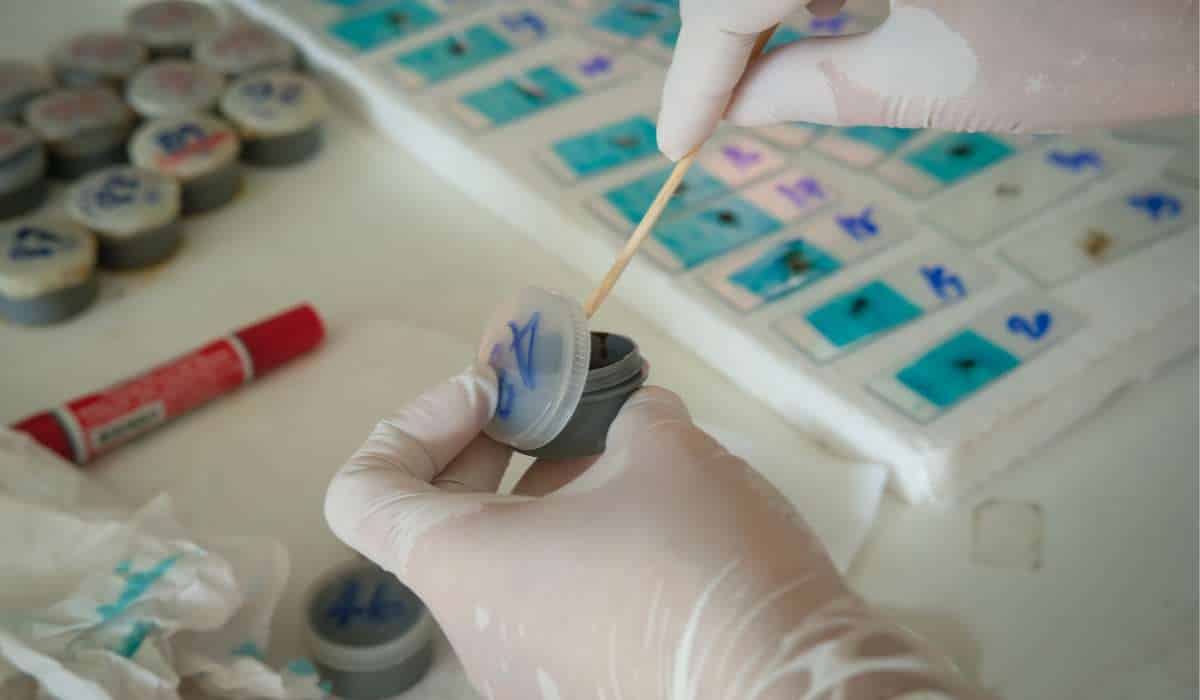
Stool test results help to guide the therapeutic methods which best interact with the microbiota of an individual. The chosen treatment can increase efficacy in hampering the growth of unwanted species whilst promoting beneficial bacteria in IBS. (1) Whether test results help to guide selecting targeted antimicrobial therapy or the right strain of probiotic, stool testing will always enhance the knowledge of both the practitioner and patient.
Exploring the realm of the gut microbiota is a key component of gaining a deeper understanding and providing clarity about IBS symptoms.
Discover more about Personalised Medicine with DNA Methylation Testing.. Click HERE or HERE or HERE
You may enjoy THIS Wellness Recipe