
Last updated on 23 October 2025 by Brisbane Livewell Clinic Editorial Team
Do You Need Comprehensive Food Intolerance Testing and Food Allergy Testing in Brisbane?
The way the human body responds to food can be quite complicated, and many adults and children these days suffer from food allergies or food intolerances and need food allergy testing or food intolerance testing (or both).
Food intolerances, sensitivities and allergies can mimic other diseases and cause those with food sensitivities a great deal of pain and suffering. Food sensitivities often include rashes, migraines, eczema, headaches, asthma, nausea, diarrhoea, irritable bowel syndrome or other related issues. According to some estimates, about 45% of the population is affected by some form of food intolerance.
Discovering what food(s) you have a sensitivity to can change your life and often it can do so in dramatic ways. It is important to note that there are many reasons that your body is rejecting a particular food. Heredity can play a role as can the existence of chemicals, pesticides, food dyes and colourings. The fact that food now includes artificial ingredients, chemicals and pesticides can make it more difficult to initially understand one’s food allergies or food-related issues.
All of these factors underscore the great importance of food intolerance testing and food allergy testing.

How Brisbane Livewell Clinic can help you with Food Allergy Testing and Food Intolerance Testing
At our Clinics, we offer comprehensive food intolerance testing and food allergy testing in Brisbane (and remotely around Australia). Our tests are designed to accurately identify food sensitivities and intolerances, helping you manage your diet and improve your health.
So if you’re looking for “Food Intolerance Testing near me” or are wanting to take a Food Intolerance Test on the day through a blood spot test in Clinic, book a consultation now.
Symptoms of Food Intolerances
Food intolerances can manifest in various ways, affecting different parts of the body. Common symptoms include:
Digestive Issues
Bloating, constipation, diarrhoea, and stomach pain.
Skin Problems
Eczema, rashes, and hives.
Respiratory Issues
Asthma, sinus congestion, and chronic cough.
General Symptoms
Fatigue, headaches, and brain fog.

Why Choose Our Food Intolerance Testing in Brisbane?
Choosing the right clinic for food intolerance testing is crucial. Brisbane Livewell Clinic provides:
Accurate Results
Our tests are reliable and provide accurate results to help you identify food intolerances.
Expert Guidance:
Our team of experienced professionals offers expert guidance on managing your diet based on your test results.
Comprehensive Services
We offer a range of tests including food intolerance blood tests and food allergy testing.

Understanding Different Types of Food Intolerance Tests
Food intolerance tests help identify foods that may cause adverse reactions. Here are some common types:
Food Intolerance Blood Test
This test measures your body’s response to certain foods through a blood sample.
Food Sensitivity Test
Identifies foods that may cause symptoms such as bloating, headaches, or fatigue.
Food Intolerance Testing Near Me and Food Allergy Testing Near Me:
Convenient testing options available at our Brisbane clinics in Wavell Heights and Cannon Hill for local residents, plus videoconferencing and remote testing available around Australia.
What Testing Options Are Available for Food Allergies?
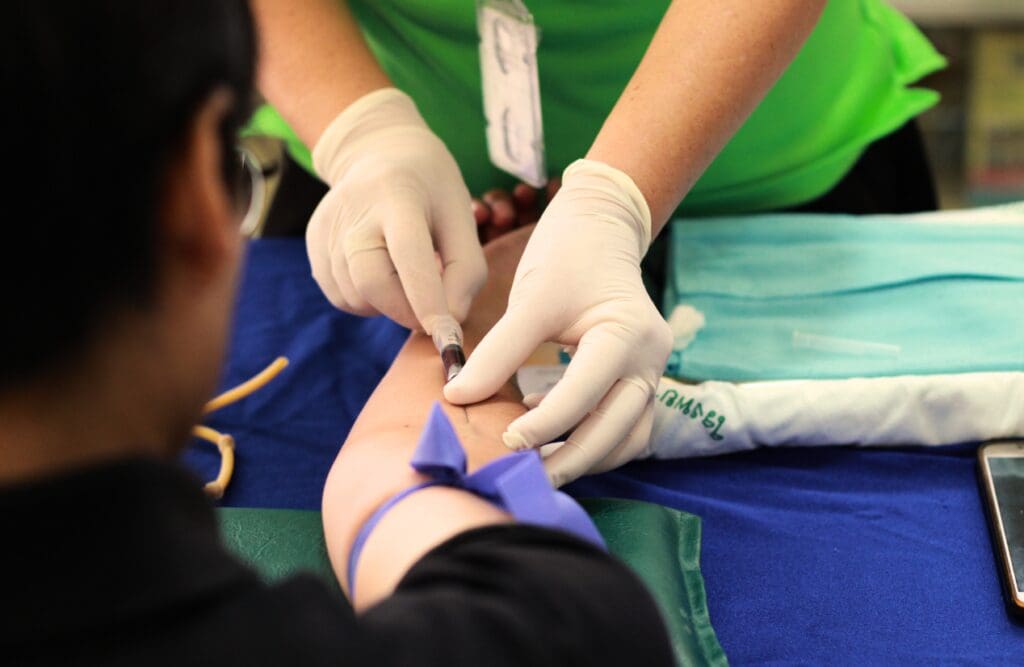
Food Intolerance Testing is carried out in-house with a Finger Prick Blood Spot card which is then sent to the laboratory and tests 96 different foods.
An Initial Consultation, testing, and Test Results Consultation can be completed within around 3-4 weeks.
Benefits of Food Intolerance Testing in Brisbane
Understanding and managing food intolerances can lead to significant health improvements. Benefits include:
Improved Digestion
Identifying and avoiding trigger foods can enhance digestive health.
Increased Energy Levels
Reducing food-related symptoms can boost overall energy and well-being.
Personalised Diet Plans
Tailored advice on dietary changes to avoid intolerances and improve health.
Our range of Food Intolerance Testing Brisbane services at the Brisbane Livewell Clinic are fast, easy and very effective. If you have chronic pain or health issues that you just can’t seem to resolve, the problem could be food-related. We are able to use a test that reveals if a patient has IgG antibodies when he or she eats a portion of certain food.

What Will Be Included in the Food Intolerance Test?
Food Intolerance Testing includes testing for the following: Corn, Durum Wheat, Gluten, Oats, Rice, Rye, Wheat, Almond, Brazil Nut, Cashew, Cocoa Bean, Peanut, Legume Mix (pea, lentil, haricot), Soya Bean, Cocoa Bean, Coffee Bean, Sugar Cane, Walnut, Beef, Chicken, Lamb, Pork, Freshwater Fish Mix (salmon, trout), Shellfish Mix (shrimp, prawn, crab, lobster, mussel), Tuna, White Fish Mix (haddock, cod, plaice), Broccoli, Cabbage, Carrot, Celery, Cucumber, Leek, Peppers (red, green, yellow), Potato, Apple, Blackcurrant, Grapefruit, Melon Mix (cantaloupe, watermelon), Olive, Orange & Lemon, Strawberry, Tomato, Egg (whole), Cow’s Milk, Garlic, Ginger, Mushroom, Tea, Yeast.
We test for a variety of foods that are common among those with intolerances, including:
- Gluten
- Nuts
- Eggs
- Milk
- Mushrooms
- Broccoli
- Tea
There are many more than those listed above, however, our Allergy & Food Intolerance Testing Brisbane experts can determine which tests to conduct for you, according to your symptoms.

How Our Testing Process Works
1. Initial Consultation
Discuss your symptoms and health concerns with our specialists.
2. Testing
We offer various tests including food intolerance blood tests and food sensitivity testing. These can often be performed through a simple finger prick test, although children will require a blood draw at your local pathology centre. Once the sample has been sent to the laboratory, they will send your reports to our Clinical Naturopaths and Clinical Nutritionists to interpret.
3. Results and Recommendations
Receive detailed results and personalised dietary recommendations at your Test Results Consultation.
Elimination Diet
An elimination diet is often recommended to manage food intolerances. This involves:
Removing Trigger Foods
Identifying and eliminating foods that cause adverse reactions.
Gradual Reintroduction
Slowly reintroducing foods to identify specific intolerances.
Monitoring Symptoms
Keeping track of any changes in symptoms to adjust the diet accordingly.

Frequently Asked Questions
1. What are the signs of food intolerance?
If you have chronic pain or health issues that you just can’t seem to resolve, the problem could be food related. We offer a test that reveals if a patient has IgG antibodies when he or she eats a portion of certain food. Common symptoms of food intolerance include:
- Abdominal pain
- Bloating
- Gas
- Nausea
- Diarrhoea or constipation
- Headaches
- Fatigue
- Joint pain
- Skin rash
- Depression or anxiety
- Anaemia
2. What is a food intolerance test?
A food intolerance test helps identify foods that may cause adverse reactions. At Brisbane Livewell Clinic, we offer comprehensive food intolerance testing to help you manage your diet and health.
3. How do I get tested for food intolerance?
Testing is completed by pressing small pinpricks of blood from your finger to a testing blotter. A blood test at your local pathology collection centre may be required if the finger prick test is inconclusive or for children.
4. What is the best test for food intolerance?
Testing IgG (delayed response) reactions to 96 foods is the best test for food intolerance. Testing completed at an external laboratory with results usually returned within three to four weeks.
5. How reliable is food intolerance testing?
Because IgG blood tests have not been proven to identify food sensitivities or allergies, there is a lack of evidence to support making changes based on their findings. There are so many different types of allergy tests out there and it can be hard to know which one is right for you. Our practitioner spends the time to get a clear diagnosis so that you end up with the right test.
6. How do I prepare for a food intolerance test?
Preparation may vary depending on the type of test, and this often involves abstaining from eating a particular food for a given time period before the test. Alternatively, you may be asked to eat particular foods before the test is carried out. Our Clinical Naturopaths or Clinical Nutritionists will provide specific instructions based on the test they recommend.
7. Can I get a food intolerance test near me in Brisbane?
Brisbane Livewell Clinic offers convenient food intolerance testing for residents in Brisbane and surrounding areas, plus our Clinical Naturopaths and Clinical Nutritionists also carry out remote consultations around Australia, and can get the testing kits posted to you.
8. What is the difference between food allergy testing and food intolerance testing?
Food allergy testing identifies immune system reactions to specific foods, while food intolerance testing detects non-immune reactions that may cause symptoms like digestive issues.
9. What are the 3 most common food intolerances?
Dairy, Egg and Seafood are the three most common food intolerances.
10. Are food intolerance tests any good?
Functional pathology testing provides practitioners, including our Clinical Naturopaths and Clinical Nutritionists at Brisbane Livewell Clinic with the best consultative process for the treatment of their patients.
11. Can your doctor do a food intolerance test?
A GP may refer you to a specialist for food intolerance testing.
12. Where do you get tested for food allergies?
Your Clinical Naturopath or Clinical Nutritionist can recommend carrying out an IgA test for food allergies that cause inflammation and in response to stress, disease, or alcohol. You can then purchase this test through Brisbane Livewell Clinic.
13. Is hair testing accurate for food intolerance?
Hair analysis can be used for detecting many health issues including food intolerance and Heavy Metal Toxicity.
14. What is the most accurate allergy testing for food?
You have two options when testing for allergies. A skin prick test or a blood test. Blood Testing is performed off-site in a laboratory. Allergy blood tests detect and measure the amount of allergen-specific antibodies in your blood.
15. How do I get a full allergy test?
Your Naturopath or Nutritionist will have two options when testing for allergies. A skin prick test or a blood test. Blood Testing is performed off-site in a laboratory. Allergy blood tests detect and measure the amount of allergen-specific antibodies in your blood.
16. Are allergy tests in Australia legit?
Food allergy tests and food intolerance tests have been established as legitimate and enable many Australians to eliminate and avoid foods that cause inflammation adverse reactions. Some medical specialists prefer not to accept the results of these tests and may require you to carry out tests with their preferred provider.

Relevant Links – Clinical Nutrition
Practitioner Profiles
Nicole Odlum – Clinical Nutritionist and Naturopath
Megan Young – Clinical Nutritionist
Clinical Nutritionist Clinic Locations
Clinical Nutritionist Cannon Hill
Nutrition Cannon Hill
Consult with your Nutritionist Wavell Heights for Extra Food and Nutrition Tips
Nutrition Services and Advice
See a Nutritionist Brisbane for Better Food Choices
Discover Nutrition Services Brisbane
Discover the Benefits of Nutrition Brisbane
Diet Nutrition Brisbane
Seek Nutrition Queensland Advice to Achieve Your Wellness Goals
Nutritionist Explained: And 10 Ways Nutritionists Help Your Health and Wellbeing
Nutritionist vs Dietitian: Which Should I Choose?
Naturopath vs Nutritionist – Who Should I See?
Nutrition Deficiency – What Your Body Might Be Telling You
Nutrition and Sports
Meeting Sports Protein Requirements Through Nutrition
Digestive Health, Gut Health and IBS
How Stool Testing Helps Find the Causes of IBS and Other Digestive Health Problems
Controlling Constipation and Bloating
5 Surprising Causes of Constipation
Lentil and Rice Rissoles – Let’s Talk Constipation
Slow Cooked Porridge to Help IBS and Keep You Regular
Solving Gut Issues by Treating SIBO
Gut Microbiome Testing Australia
Gut Health Specialist Brisbane
Help for Gut Health Issues with L-Glutamine
IBS Relief in 3 Steps with the FODMAP Diet
How Stool Testing Helps IBS Sufferers – Part 1: Digestive Markers
How Stool Testing Helps IBS Sufferers – Part 2: Microbial Markers
Food Intolerance and Allergy
Everything You Need to Know About Food Intolerance
Food Intolerance, Hypersensitivity and Allergies Explained
Food Intolerance Testing Package
All About IgG Food Intolerance – A Simple Test Could Explain A Lot
Histamine Intolerance – Harsh Effects from Healthy Foods
Weight Loss and Metabolism
Get Rid of Weight Loss Aids – How to Lose Weight Fast, Naturally and Permanently
Metabolic Syndrome – More Common Than You Think
Pregnancy, Fertility and Breastfeeding Nutrition
Maximising Nutrition Before and During Pregnancy
Pre-Pregnancy Fertility Care with Naturopathic Nutrition
Foods for Fertility – Optimising Reproductive Health with Diet
Fig Fertility Smoothie – Brisbane Livewell Clinic
Start Transitioning Baby to Real Food – Tasty Broccoli Red Lentil Purée
Nutrition for Breastfeeding Mothers – Banana and Date Muffins
Supporting Your Breastfeeding Goals with Herbal Medicine and Nutrition
Diet Planning Advice for Pregnant Women
Yoghurt Fruit Salad – A Sweet Treat to Relieve Constipation While Pregnant
Paediatric and Children’s Nutrition
Paediatric Nutrition and Faltering Growth – Failure to Thrive
Men’s Health and Energy
Optimising Nutrition for Skin Health
Blood Sugar and Diabetes Support
A Great Diabetic Breakfast – Chickpea Pancake
What is Diabetes? Knowing Helps
High Fibre Curried Veggie Burgers for Blood Sugars
Anaemia, Iron and Mineral Deficiency
All About Iron Deficiency Anaemia
Iron Deficiency – Causes, Symptoms, Testing
Fighting Anaemia – Chicken Liver with Spinach
Give Yourself More Iron with These Chocolate Protein Balls
Insomnia Linked to Mineral Deficiency
Craving Salt? You Might Be Dealing with Adrenal Fatigue
Mental Health, Mood and Brain Support
Foods to Beat the Blues – Nutrition and Mental Health
The Gut-Brain Connection – How to Feed Your Brain
Save Your Sleep with What You Eat
Addressing Asthma with Antioxidants
Orthorexia – An Unhealthy Obsession with Healthy Eating
Detox, Liver and Cleansing Support
The 3 Steps to a Successful Detox
Eating With the Seasons and Your Spring Detox
Recovery After Viral Infection
Look After Your Liver This Festive Season
Anti-Inflammatory Foods and Pain Support
Anti-Inflammatory Foods – Cauliflower Ginger Soup
Combat Chronic Fatigue with This Delicious Curry
Quinoa Salad for Fighting Inflammation and Bloat
Pain Management – Foods That Cause Inflammation
Women’s Health – Endometriosis, Menopause, Hormones
Eating for Endometriosis – Power of Diet
Natural Menopause Support – Apple and Rhubarb Crumble Recipe
Menopause Diet Plan – Healthy Banana Pancakes
Plant-Based and Vegan World Recipes
Plant-Based Eating from Around the World – Africa
Plant-Based Eating – South America
Plant-Based Foods – Indian Subcontinent
Plant-Based Foods – The Middle East
Eggplant Parmigiana – Plant-Based World Food
Pomegranate Cake – A Sweet Plant-Based Treat
Chilled Avocado Soup for Radiant Skin
Stir Fried Shitake Mushrooms – Plant-Based Asian Foods
Gluten-Free, Dairy-Free and Allergen-Sensitive Recipes
The Dairy Dilemma – Part One: Why Dairy is a Disaster
The Dairy Dilemma – Part Two: How to Go Dairy-Free
A Guide to Being Gluten-Free – Part One
A Guide to Being Gluten-Free – Part Two
Gluten-Free Coconut Muesli – A Plant-Based Way to Start Your Day
Gluten-Free Pasta with Ricotta Walnut Sauce
Ultimate Low-Allergen Chocolate Chip Cookies
Coeliac Disease – Tackling Your Gluten-Free Diet
Functional Food Remedies and Therapeutic Meals
Discovering Congee – A Truly Medicinal Food
Spicy Egg Curry – A Tasty Way to Fight Stress and Anxiety
Fabulous Fibre – The Fab 4 of Fibre
Maximising Macronutrients – Spotlight on Carbohydrates
Fermented Foods – Not Just the Flavour of the Month
Foods to Keep You Feeling Young
Exploring Food as Natural Medicine and Herbal Medicine as Food
Eating Healthy for You and Our Planet
Winter Wellness – 7 Ways to Ensure a Healthy Diet This Winter
Let’s Do Lunch Really, Really Well – 10 Tips
Easy and Nutritional Mixed Herb Frittata
Sugar, Cravings & Addictions
The Science Behind Sugar Addiction
Dishing the Dirt on Sugar – How to Go Sugar Free
Nutrition Testing and Nutrition Test Kits
Food Intolerance Testing Package
Gut Microbiome Testing Australia
Meal Plans and Programs:
Suburbs We Service
Clinical Nutritionist Morningside – Evidence-Based Nutrition Plans with Megan Young
Clinical Nutritionist Morningside – Work with Megan Young at Brisbane Livewell Clinic (Cannon Hill)
Clinical Nutritionist Murarrie – Book with Megan Young at Brisbane Livewell Clinic (Cannon Hill)
Clinical Nutritionist Balmoral – Book with Megan Young at Brisbane Livewell Clinic (Cannon Hill)
Clinical Nutritionist Seven Hills – Work with Megan Young at Brisbane Livewell Clinic (Cannon Hill)
Clinical Nutritionist Carindale – Nutrition Consultations with Megan Young Near You
Clinical Nutritionist Carina – Targeted Nutrition Support with Megan Young Near You
Clinical Nutritionist Carina – Professional Nutrition Guidance Just Minutes Away