
Last updated on 2 January 2026 by Brisbane Livewell Clinic Editorial Team
What You Need To Know About Food Intolerances. Food Intolerance gives us different reactions to different kinds of foods. At least 30 per cent of people experience some food sensitivity over a lifetime which may cause risks ranging from mild to serious health problems. Let’s take a look at what you need to know about food intolerance such as what food sensitivity is and how you can cope up with possible health risks.
What is Food Intolerance
Food sensitivity is usually a toxic response to food, beverage or food additive that produces symptoms in one or more body organs or systems. These reactions may result from a variety of reasons which lead to complexity and confusion in the diagnosis of the problem.

How Food Intolerance Affects the Person
Food allergies are a toxic reaction to foods which primarily affects the sufferer’s immune system. The immune system comprises cells and molecules that work as a defence system to protect the body from foreign elements. When a foreign element enters the body, the T-cells determine whether the newly introduced substances are safe for the system or not. If a threat is identified, immune cells fight and remove the potentially dangerous element. However, if the reaction involves excessive histamine release, the person may end up in the emergency room.

Common Symptoms of Food Allergies
The most symptoms of food allergies include skin rashes, a runny nose, wheezing, diarrhoea, vomiting, hives and eczema. The nature and severity of symptoms may vary across age, the amount of food consumed, and the type of allergen. For example, an allergic reaction to fish may appear within few minutes of consumption in the form of asthma, hives or rash, whereas a reaction to cow’s milk may take between 24-48 hours to appear. Generally, delayed reactions are difficult to identify without experimenting with the response of certain foods for several weeks.

Foods that Can Cause Allergic Reactions
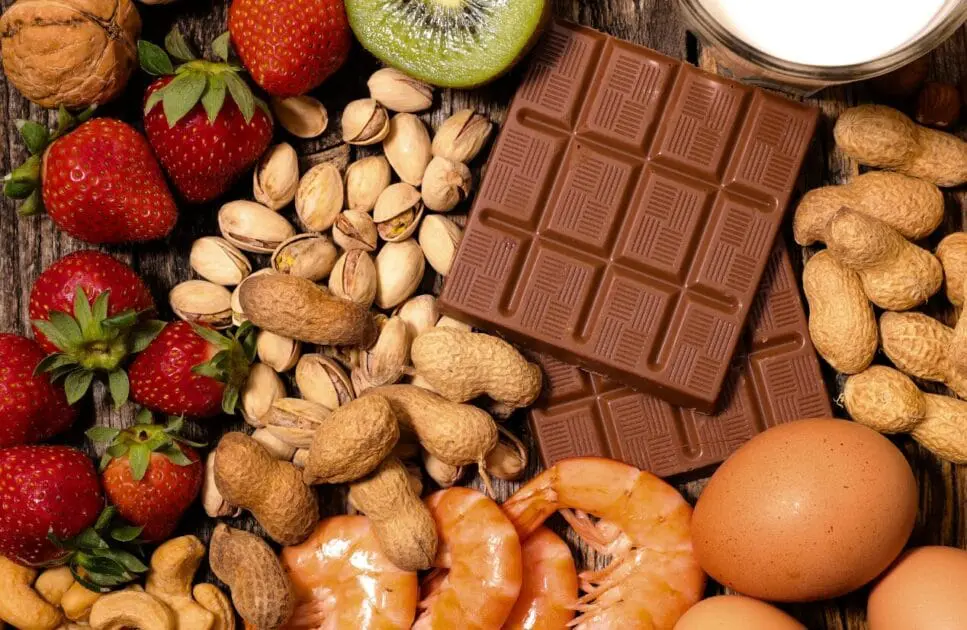
Researchers have identified more than 140 different foods that are known to cause allergic reactions. However, most of the reactions are associated with these eight types of food.
- Cows milk
- Peanuts
- Fish
- Wheat
- Hen’s egg
- Soy foods
- Tree nuts
- Crustacean shellfish
Being the most common allergen, experts suggest eliminating cow milk first and foremost when attempting to identify the food to which you may be allergic. Also, it would be best if you cut back on the intake of all by-products of milk as well as other products containing milk to determine its reaction.
Sensitivity to a specific food is usually hard to identify due to several reasons. However, it is best to consult a Naturopath if you notice any symptom of a food allergy.