Last updated on 17 February 2026 by Brisbane Livewell Clinic Editorial Team
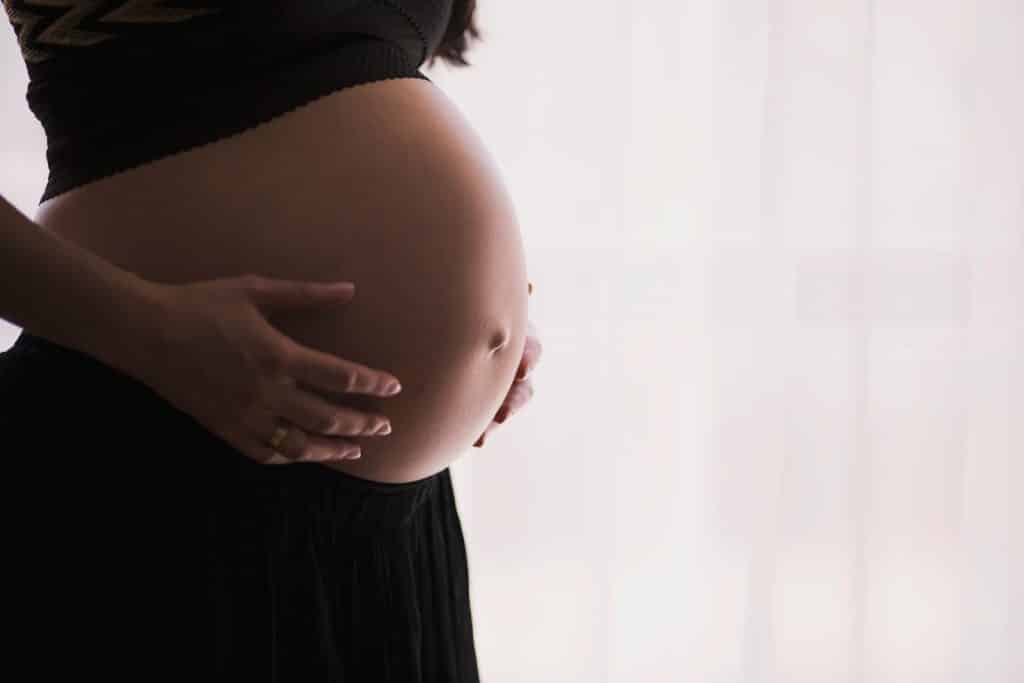
Pregnancy is a demanding time on a woman’s body, and dietetic counselling is a cornerstone of both pre-natal and post-natal care. A woman’s nutritional status affects not only their own health but has an influence on pregnancy outcomes and the health of their baby. (1) Consuming a varied and balanced diet is essential when planning to conceive and during pregnancy to ensure the wellbeing of the mother, baby and minimise the risk of adverse pregnancy outcomes.
Pre-conception
It is recommended that women planning to conceive enjoy a wide variety of foods from all five food groups to optimise their health and weight (2)
Folic Acid/Folate
Folic Acid is important during the early stages of conception and pregnancy as it prevents the risk of the baby being born with a neural tube defect. Folic Acid can be found in bread and cereals, green leafy vegetables (e.g., broccoli, spinach, cabbage, kale), some fruits.
Iodine
Iodine is essential for the development of the baby’s brain and nervous system. Foods containing iodine include fortified bread and cereals, seafood, dairy, and iodised salt.
Iron
Iron is important for facilitating the growth of the baby and the development of red blood cells which carry oxygen to tissues within the body. Iron can be found in red meats (such as beef, pork, lamb, offal), some poultry, fish and seafood, leafy green vegetables (including broccoli, spinach, cabbage, kale), legumes and fortified bread and cereals.
Requirements for folic acid, iodine and iron are increased during pregnancy. Supplementation may be necessary for some women, however, will require discussions with relevant healthcare professionals as a GP and Dietitian (2).

During Pregnancy
It is recommended that women continue to enjoy a wide variety of foods from all five food groups to optimise their health during pregnancy and allow for a healthy weight gain. (See the Image). Women don’t need to “eat for two”, however, they do need to eat twice as well during pregnancy. (4)
First Trimester (1-13 weeks)
Eating should proceed as normal; however, some changes may need to be implemented if you are overweight/obese, or if there are existing medical conditions.
Second (14-26 weeks) and Third Trimesters (27-40 weeks)
Energy requirements increase in both the second and third trimesters to accommodate your and the growing baby’s needs. The recommended serves for some food groups (bread and cereals, and meat/meat alternatives) are increased.
It is normal and healthy to gain weight during pregnancy, but it is important to not gain too much weight. The amount of weight gain that is healthy for you depends on your pre-pregnancy weight. Gaining too much weight increases the risk of adverse pregnancy outcomes, such as developing gestational diabetes, pre-eclampsia, depression, delivery by caesarean section and large for gestational age baby4. Gaining too little weight can lead to pre-term births and a low-birth-weight baby (4).
Healthcare professionals, including your GP, Dietitian and midwife can help to determine an appropriate weight gain range, and provide dietetic advice to meet nutritional requirements to support a healthy weight gain.
Food Safety
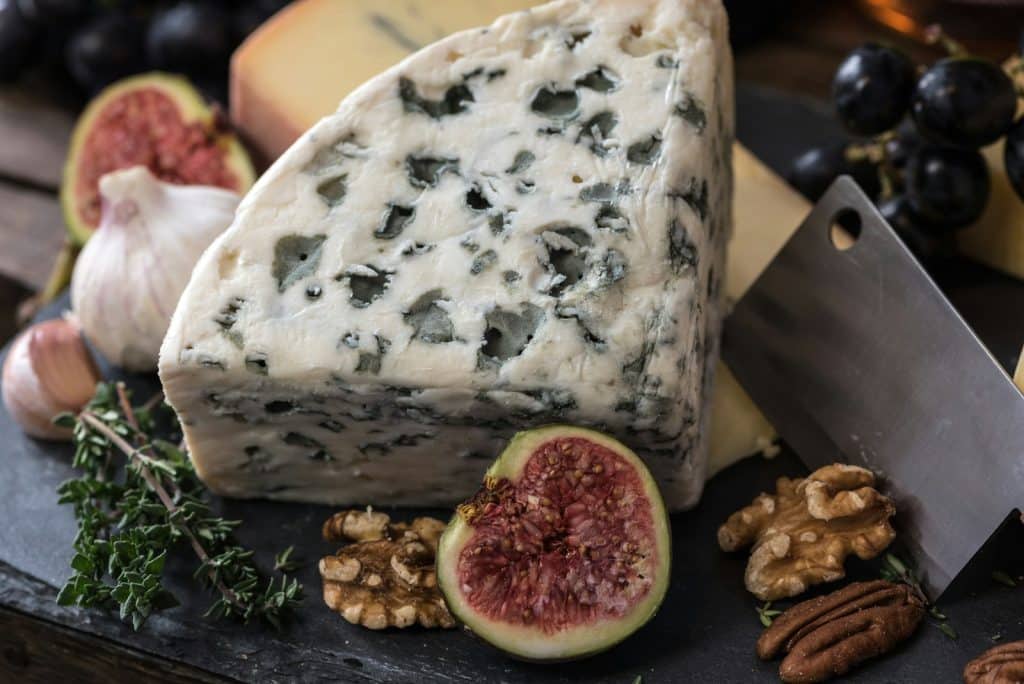
Pregnant women are at greater risk of food poisoning (e.g., listeriosis) and should prepare and store foods carefully to prevent listeriosis from transmitting to the unborn babies and possibly causing miscarriage, premature birth or stillbirths. Pregnant women should avoid:
- Soft cheeses – such as camembert or brie cheese, ricotta, feta, and blue cheese
- Unpasteurised dairy items
- Deli items – such as cold/sandwich meats, pate
- Pre-prepared salads and sandwiches, or foods that sit at room temperature for long periods such as sushi
- Raw meat or eggs
- Sprouts – such as bean sprouts
- Fish containing high levels of mercury – such as shark/flake, marlin, broadbill, swordfish, orange roughie, catfish (can be consumed in small amounts – please seek advice from healthcare professionals)
Pregnant women are encouraged to continue eating fish and seafood as they provide essential omega 3 fatty acids. Large, deep-sea fish contain high levels of mercury which may affect the development of the nervous system in unborn babies. These include shark/flake, marlin, broadbill, swordfish, orange roughie and catfish, and should be consumed in small amounts. (6)
Food safety tips
- Wash fruit and vegetables before eating
- Eat freshly prepared and cooked foods
- If eating food that was prepared more than 24 hours ago, reheat until steaming hot
Post Pregnancy
After giving birth, some mothers may choose to breastfeed, while others may choose to formula-feed or a combination of both. We all want what is best for our child, and your choice in feeding practice is completely up to you and what you feel comfortable with. Just remember that “fed is best”.
Those who choose to breastfeed, have increased energy requirements to ensure they have a good milk supply that is nutritious for their baby (5). The recommended serves for some food groups (vegetables, bread and cereals, meat/meat alternatives and dairy) are increased.