
Last updated on 17 December 2025 by Brisbane Livewell Clinic Editorial Team
Important Diet Planning Advice for Pregnant Women
Pregnancy is a transformative journey and a crucial time to focus on your health. A well-planned diet ensures both the mother’s and baby’s health while preparing for the beautiful milestones ahead. Diet planning for pregnant women supports the baby’s development and safeguards the mother’s well-being.
Thoughtful meal choices during this time can make all the difference, creating the foundation for a happy and healthy pregnancy.
Eating well doesn’t mean depriving yourself of enjoyment. Food is not just a comfort but a vital source of nutrition. By embracing a balanced approach to eating, you can nourish your growing baby while maintaining your energy and wellness.
Key Takeaways
- Diet planning supports both mother and baby’s health during pregnancy.
- Regular meal planning and healthy eating habits are essential.
- Naturopaths can provide personalised diet guidance to optimise your pregnancy journey.

Why Meal Planning Is Crucial During Pregnancy
Meal planning ensures you’re consuming the right nutrients in the right amounts. It’s also a time-saver that can help you avoid unhealthy food choices.
Avoid processed foods
Stock your pantry and fridge with fresh, nutrient-dense ingredients.
Make weekly grocery lists
Plan your meals in advance to ensure you have everything on hand.
Prioritise home-cooked meals
These are more nutritious and free from preservatives.
Adapt to your schedule
If time is tight, shop online or prepare meals in batches.
Spending time on meal preparation is an investment in your health and your baby’s future. Simple adjustments to your routine can make a big difference in ensuring your body gets the nourishment it needs.

How Much Should Pregnant Women Eat?
Every pregnancy is unique, and dietary needs can vary based on your body and lifestyle. However, there are general guidelines to help you make informed decisions.
Listen to your body
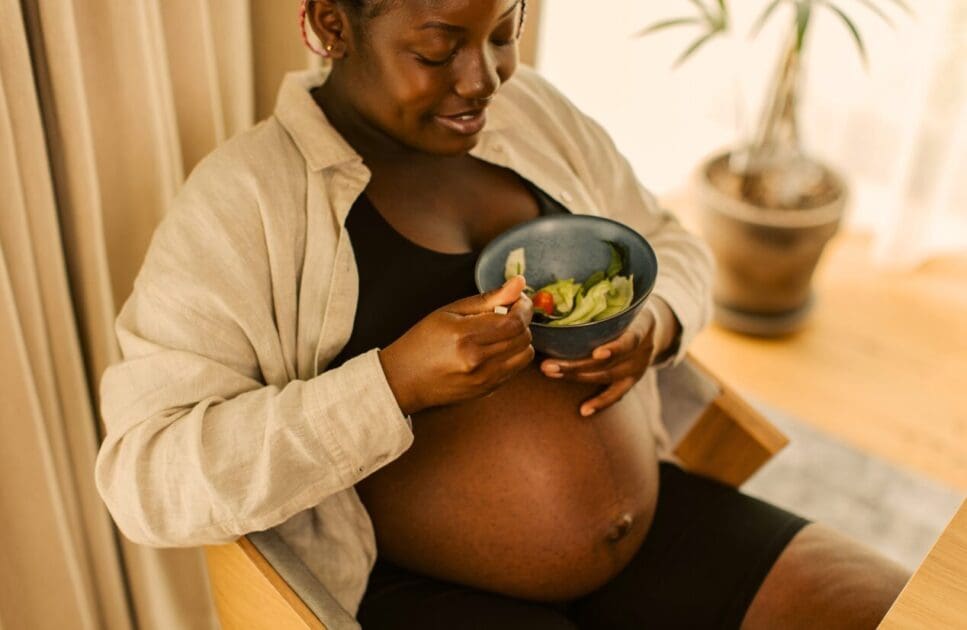
Tune in to hunger cues and eat smaller meals more frequently. Aim for 5–6 small meals a day.
Don’t skip breakfast
Research highlights that pregnant women who eat breakfast support better cognitive and developmental outcomes for their baby.
Balanced portions
Focus on whole foods, lean proteins, fruits, vegetables, and whole grains to meet your nutritional needs.
Avoid overeating
Eating for two doesn’t mean doubling your portions. Instead, aim for high-quality calories that nourish.
Source: National Institute of Health, Pregnancy and Nutrition, 2023
The Role of Nutrients in Pregnancy
Certain nutrients are especially important during pregnancy. Including these in your diet can improve both your health and the baby’s development:
Folic Acid
Found in leafy greens, beans, and fortified cereals, it reduces the risk of neural tube defects.
Iron
Red meat, spinach, and legumes help prevent anaemia.
Calcium
Dairy products and fortified plant-based milk support bone health.
Omega-3 Fatty Acids
Fatty fish like salmon promote brain development.
Fibre
Whole grains and fruits prevent constipation, a common concern during pregnancy.
How Naturopaths Can Support Your Pregnancy
A Naturopath can play a pivotal role in guiding you through your pregnancy journey with tailored dietary and lifestyle advice. They use natural medicine and whole foods to create a Wellness Plan that suits your individual needs.
First Consultation
The Naturopath will review your medical history, conduct relevant tests, and assess for any allergies or intolerances.
Customised Plan
A personalised diet plan will address your unique nutritional needs and pregnancy symptoms.
Ongoing Support
Follow-up appointments will monitor your progress and adjust your Wellness Plan as needed.
In addition to your Naturopath, consulting your GP ensures all aspects of your health are covered. This collaborative approach optimises your pregnancy care.
Benefits of Working with a Naturopath
1. Personalised Nutrition
Naturopaths design plans tailored to your body’s specific requirements, ensuring the baby receives the best start in life.
2. Symptom Management
From managing morning sickness to alleviating fatigue, Naturopaths incorporate natural remedies and diet adjustments for relief.
3. Long-Term Wellness
The advice you receive during pregnancy often sets the stage for better long-term health for you and your child.

FAQs
1. Why is diet planning important for pregnant women?
Diet planning ensures pregnant women receive essential nutrients for their health and the baby’s development. It also helps manage pregnancy symptoms.
2. What foods should pregnant women focus on?
Pregnant women should eat a balanced diet rich in folic acid, iron, calcium, omega-3s, and fibre to support their health and the baby’s growth.
3. How can a Naturopath help during pregnancy?
A Naturopath provides personalised nutrition and lifestyle advice to address pregnancy needs and create a customised Wellness Plan.
4. Should I eat for two during pregnancy?
Pregnancy doesn’t require double portions. Focus on nutrient-dense foods rather than extra calories to maintain a healthy weight.
5. Can skipping meals harm the baby?
Skipping meals can lead to nutrient deficiencies and energy imbalances, potentially affecting the baby’s development.
6. How often should pregnant women eat?
Eating 5–6 small, balanced meals a day can help manage energy levels, support digestion, and prevent overeating.
7. Are supplements necessary during pregnancy?
Supplements like folic acid and iron may be recommended but should be taken under the guidance of a healthcare professional.
8. Can Naturopathic care complement GP advice?
Naturopaths and GPs work together to ensure holistic care for the mother and baby, addressing both medical and nutritional needs.
9. What foods should be avoided during pregnancy?
Pregnant women should avoid raw fish, unpasteurised dairy, and high-mercury fish to prevent potential risks.
10. Is breakfast really that important during pregnancy?
Breakfast is crucial for energy and brain development in the baby. It also helps manage appetite and weight gain throughout the day.