Last updated on 2 January 2026 by Brisbane Livewell Clinic Editorial Team
Tired All the Time? You Could Be Low in Iron
If you’re struggling with low energy, frequent illness or poor concentration, you could be experiencing the effects of iron deficiency. This article explains how iron deficiency develops, the most common symptoms, how it’s diagnosed, and what you can do to restore healthy levels through diet, supplementation and practitioner support.
What Is Iron Deficiency?
Iron deficiency happens when your body doesn’t have enough iron to make healthy red blood cells. Without enough iron, your cells don’t receive the oxygen they need to function properly. Over time, this can lead to fatigue, shortness of breath, poor memory, restless legs, and more. Iron deficiency can occur with or without anaemia, and it’s one of the most common reasons people feel constantly unwell without a clear cause.

Causes of Iron Deficiency
Low Iron Intake
People who don’t consume enough iron-rich foods – especially red meat, liver and shellfish – can develop low iron over time. Vegetarian and vegan diets are common contributors, especially if not well planned.
Poor Absorption
Even if your diet is adequate, iron may not be absorbed properly if your gut health is compromised. Conditions like coeliac disease, low stomach acid, inflammatory bowel conditions, or recent gastric surgery can prevent effective absorption.
Increased Demand
Periods of growth, pregnancy, breastfeeding, or athletic training increase your body’s demand for iron. Without increasing your intake, stores can deplete rapidly.
Blood Loss
Heavy menstrual periods are one of the most common causes of iron deficiency in women. Other causes include gastrointestinal bleeding, blood donation, and post-surgical loss.

Symptoms of Iron Deficiency
Iron deficiency can present gradually, and many people don’t realise how unwell they’ve become until they begin treatment. Symptoms include:
- Constant fatigue
- Brain fog and poor concentration
- Shortness of breath
- Frequent colds and infections
- Pale skin or inner eyelids
- Hair thinning or hair loss
- Restless legs
- Dizziness or headaches
- Brittle nails
- Cold hands and feet
If left untreated, iron deficiency can progress to anaemia, which may cause even more severe symptoms including heart palpitations and reduced physical performance.

How Iron Deficiency Is Diagnosed
Naturopaths and health practitioners use several blood tests to confirm iron deficiency:
Ferritin
Measures iron stores in the body
Serum Iron
Shows the level of circulating iron
Transferrin Saturation
Reveals how much iron is bound and being transported
Full Blood Count (FBC)
Checks for anaemia and red blood cell health
Ferritin is the most sensitive early marker, but interpreting results accurately requires testing all iron markers together.

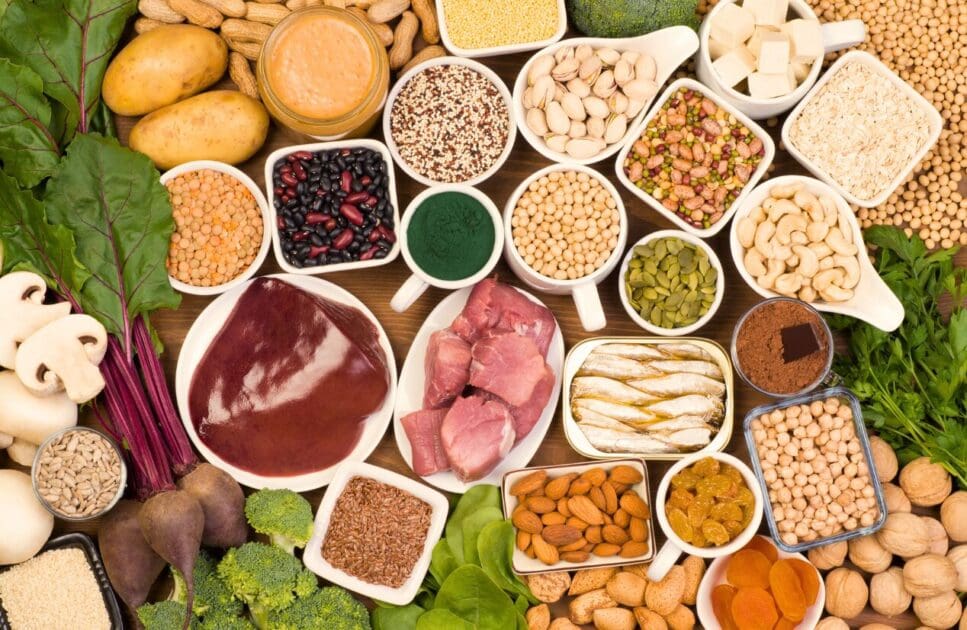
Iron-Rich Foods That Support Recovery
Boosting iron intake through food is sustainable and can be tailored to your dietary preferences. There are two types of iron:
Haem Iron (easily absorbed)
- Beef, lamb, kangaroo
- Chicken thighs, chicken liver
- Sardines, oysters, mussels
Non-Haem Iron (plant-based)
- Lentils, chickpeas, soybeans
- Tofu, tempeh
- Spinach, kale, broccoli
- Pumpkin seeds, sesame seeds
- Iron-fortified cereal and oats
To maximise absorption:
- Pair non-haem iron with vitamin C (e.g. citrus, capsicum, tomato)
- Avoid tea, coffee, dairy or calcium supplements at meals containing iron
Do You Need Iron Supplements?
Iron supplements may be recommended when iron is low or when symptoms are affecting daily life. The most commonly used forms include:
Iron bisglycinate or amino acid chelate
well absorbed and gentler on the gut
Liquid iron
Helpful for people with digestive issues
Combined formulas
With vitamin C, folate or B12 to support red blood cell production
Iron supplements should only be taken after testing, as excess iron can be harmful. Follow-up blood tests are essential to monitor your progress.

Managing the Underlying Causes
To achieve long-term improvement, it’s important to address what’s driving your iron deficiency. Common contributors include:
- Heavy menstrual cycles
- Poor digestive health
- Low stomach acid or long-term use of antacids
- Inflammation in the gut
- Overtraining or inadequate recovery in athletes
- Incomplete plant-based diets
Your practitioner can tailor a treatment plan that addresses both symptoms and root causes.

Prevention and Maintenance
Once your iron levels are restored, maintenance is essential. Here’s what we recommend:
- Include iron-rich foods daily, especially during menstruation or pregnancy
- Support gut health with probiotic-rich foods and digestive enzymes if needed
- Test your iron levels annually if you’re in a higher-risk category
- Space out iron-rich meals and calcium supplements to avoid nutrient interference
- Book a consultation if symptoms reappear or worsen unexpectedly

FAQs
1. What are the most common causes of iron deficiency?
The most common causes of iron deficiency are low dietary intake, poor absorption due to gut conditions, increased requirements during pregnancy or growth, and chronic blood loss such as heavy periods or gastrointestinal bleeding.
2. What symptoms suggest you might have low iron?
Symptoms that suggest low iron include constant fatigue, poor concentration, shortness of breath, pale skin, brittle nails, hair thinning, headaches, and frequent infections.
3. How is iron deficiency diagnosed by practitioners?
Iron deficiency is diagnosed through blood tests that check ferritin, serum iron, transferrin saturation and haemoglobin. A low ferritin level is often the first sign of depleted iron stores.
4. Can I improve iron levels through diet alone?
You can improve iron levels through diet by eating iron-rich foods like red meat, shellfish, lentils and leafy greens, especially when combined with vitamin C to boost absorption.
5. Do vegetarians and vegans need to worry about iron?
Vegetarians and vegans need to monitor their iron levels more closely, as they rely on non-haem iron, which is harder for the body to absorb without careful food combinations and preparation.
6. Should I take iron supplements without a blood test?
Taking iron supplements without a blood test is not recommended, as excess iron can cause harm. Always confirm deficiency through testing before supplementing.
7. How long does it take to correct iron deficiency?
Correcting iron deficiency can take 3–6 months or longer, depending on the cause and whether dietary changes or supplements are used consistently and effectively.
8. Can iron supplements cause side effects?
Iron supplements can cause side effects like nausea, constipation or stomach upset, but these can often be managed by changing the type of supplement or taking it with food.
9. How does menstruation affect iron levels?
Heavy or prolonged menstrual bleeding is a major contributor to low iron in women, as it causes ongoing blood and iron loss that may exceed dietary intake.
10. Are there better times of day to take iron supplements?
Iron supplements are best taken on an empty stomach in the morning with vitamin C, but some people tolerate them better with food. Avoid taking them with dairy, tea, or coffee.
11. What conditions affect iron absorption?
Conditions that affect iron absorption include coeliac disease, low stomach acid, chronic inflammation, SIBO, and use of antacid medications over time.
12. Can low iron affect mental health?
Low iron can affect mental health by contributing to low energy, poor concentration, mood swings and anxiety, especially when combined with other nutrient deficiencies.
13. When should I see a practitioner about low iron symptoms?
You should see a practitioner if you experience persistent fatigue, frequent illness, shortness of breath, or symptoms that do not resolve with dietary changes. Blood testing can confirm whether iron levels are contributing.