

Last updated on 14 January 2026 by Brisbane Livewell Clinic Editorial Team
Mood & Food – How Nutrition Affects Your Emotional Health
The connection between mood and food is stronger than most people realise. What you eat can affect how you feel—mentally and emotionally—by influencing your brain chemistry, hormone balance, inflammation and gut function.

Key Takeaways
- The brain depends on nutrients from food to make neurotransmitters like serotonin, dopamine and GABA.
- Dietary choices can impact mood through blood sugar levels, inflammation, gut health and nutrient density.
- Nutrition is a critical part of mental health care—and often the most overlooked.
Introduction
Mood swings, anxiety, irritability or low motivation aren’t always “in your head.” Often, they’re a reflection of what’s happening in the body—especially in the gut and the brain. What you eat fuels the production of your brain’s neurotransmitters, and when that fuel is off track, your emotions can be too.

How Food Influences Mood
Food impacts mood through several pathways:
Neurotransmitter production
Nutrients like tryptophan, tyrosine, B vitamins and magnesium are needed to produce serotonin, dopamine and GABA.
Blood sugar regulation
Fluctuating blood glucose leads to irritability, fatigue and anxiety. Balanced meals keep mood steady.
Gut-brain axis
The microbiome sends signals to the brain via the vagus nerve and produces neurotransmitter precursors.
Inflammation
A pro-inflammatory diet can worsen depression and anxiety.
Hormonal balance
Nutrient status affects cortisol, oestrogen and other hormones that influence mental clarity and emotional stability.

Nutrients That Support Emotional Balance
There are specific nutrients we look for when someone presents with mood-related concerns. These include:
Magnesium
Calms the nervous system and helps regulate stress response.
Vitamin B6, B9 (folate) and B12
Support neurotransmitter synthesis and methylation.
Zinc
Important for dopamine production and immune regulation.
Iron
Supports oxygen delivery to the brain and reduces mental fatigue.
Omega-3 fatty acids (EPA & DHA)
Reduce neuroinflammation and support mood regulation.
Tryptophan
Amino acid precursor to serotonin.
Tyrosine
Precursor to dopamine and norepinephrine.
Probiotics
Support gut health, reduce inflammation, and enhance neurotransmitter production.
These nutrients can be obtained from food but may also need to be supplemented, especially in cases of digestive dysfunction, dietary restriction or chronic stress.

Signs Your Mood May Be Affected by Your Diet
Common indicators include:
- Cravings for sugar, caffeine or refined carbs
- Emotional volatility after eating or skipping meals
- Afternoon energy crashes or morning brain fog
- Irritability when hungry
- Poor sleep, even when tired
- Anxiety that worsens with certain foods or stimulants
- Low mood despite therapy or medication
These signs suggest that your nervous system may not be getting the nutritional support it needs.

The Gut-Brain Connection
Your gut makes around 90% of your body’s serotonin and communicates constantly with your brain. An imbalanced microbiome, leaky gut, or inflammation in the digestive tract can lead to increased anxiety, low mood, or stress sensitivity.

Foods That Support a Better Mood
Recommended:
- Protein at every meal to stabilise blood sugar and provide amino acids
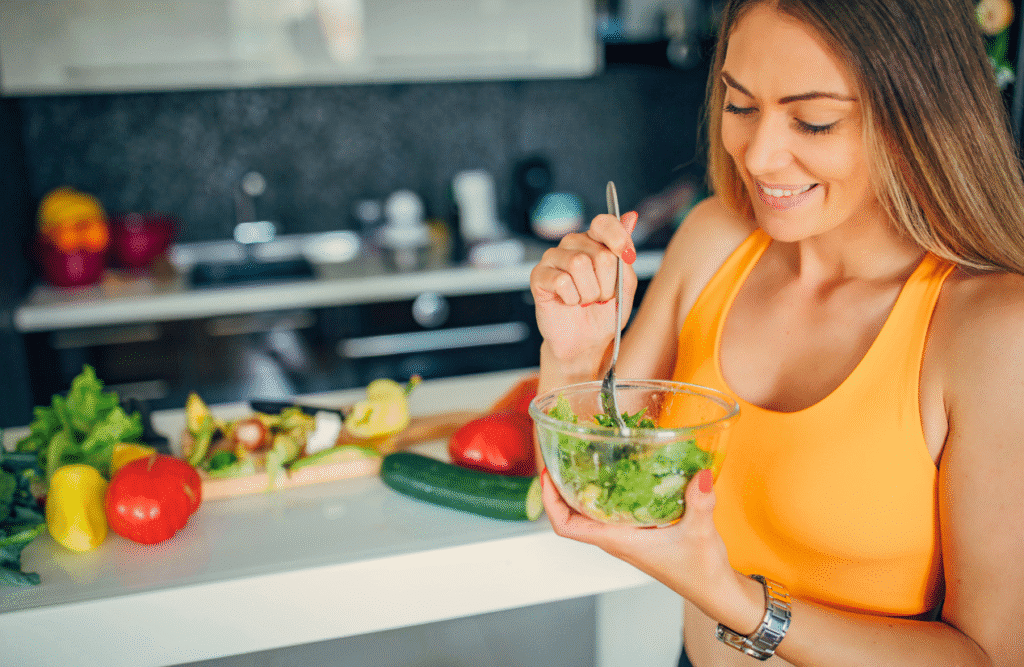
- Leafy greens and colourful vegetables for B vitamins and antioxidants
- Fermented foods like kimchi, sauerkraut and yoghurt for gut health
- Nuts and seeds for magnesium, zinc and healthy fats
- Oily fish (sardines, salmon, mackerel) for EPA and DHA
- Whole grains like quinoa and oats for steady energy and fibre
- Water and herbal teas for hydration and nervous system balance
Recommend reducing or eliminating:
- Processed sugars and refined carbohydrates
- Excess caffeine
- Alcohol, which disrupts sleep and blood sugar
- Artificial colours and preservatives
This doesn’t mean perfection—it means paying attention to how your body and mood respond.
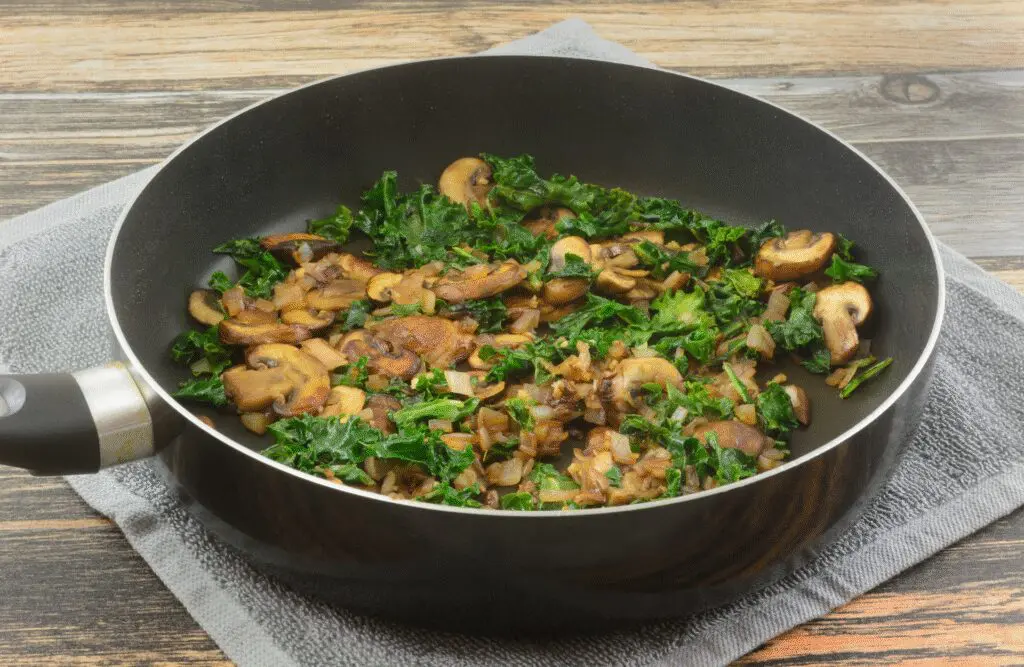
Recipe for a Better Mood – Quarter Chicken with Mushrooms & Kale
Ingredients
- 567 gms Chicken Leg, Bone-in (skin on)
- 200 mgs Thyme (dried)
- 250 mgs Oregano (dried)
- 750 mgs Sea Salt
- 10 White Button Mushrooms (quartered)
- 84 gms Kale Leaves (roughly chopped)
Instructions
- reheat the oven to 240ºC
- Season the chicken with thyme, oregano and sea salt on all sides. Heat a cast iron skillet over medium heat. Once the skillet is hot, add the chicken skin side down. Cook for 12 to 15 minutes without moving the chicken.
- Flip the chicken over and add the mushrooms. Place in the oven for 18 to 20 minutes or until the chicken is cooked through.
- Remove the chicken and mushrooms from the oven and transfer to a plate, leaving the drippings in the pan. Add the kale to the pan, and sauté over medium heat for 1 to 2 minutes or until wilted. Turn off the heat.
- Divide the chicken, mushrooms and kale onto plates and enjoy!
- Left overs – Refrigerate in an airtightcontainer up to three days.
No Kale? Use another green such as Swisschard or spinach.
More Flavor – Add additional seasonings such as paprika or garlic.
Mood Disorders and Nutrient Deficiency
Many people with depression, anxiety or PMDD are dealing with underlying nutrient deficiencies that standard mental health care doesn’t address. These deficiencies can be caused by poor diet, poor absorption, high stress or chronic inflammation.

When Diet Alone Isn’t Enough
Diet is foundational—but it’s not always enough on its own. That’s why our approach includes:
- Nutritional supplements tailored to your results
- Sleep and circadian rhythm support
- Nervous system regulation techniques
- Hormone balancing when needed
- Gut repair protocols
- Collaboration with psychologists or GPs when appropriate
Mental health is multifactorial. We support your biology so other therapies can work more effectively.

Conclusion
Mood and food are deeply connected, and improving one often improves the other. By identifying nutritional gaps, digestive imbalances and inflammatory patterns, we help our patients move toward better mood, better energy and better quality of life. If you’re tired of feeling flat, anxious or on edge—and want to understand what your body is trying to tell you—we’re here to help.

FAQs
1. Can food affect your mood and anxiety?
Yes, diet affects neurotransmitters, blood sugar and inflammation—all of which influence mood and anxiety.
2. What nutrients help with low mood?
Key nutrients include magnesium, B vitamins, iron and omega-3s. These support brain chemistry and nervous system function.
3. How does the gut impact mental health?
The gut produces serotonin and interacts with the brain via the vagus nerve. A healthy microbiome supports mood regulation and reduces stress sensitivity.
4. What are signs my diet is affecting my mood?
Common signs include irritability after meals, cravings, poor sleep and afternoon energy crashes. These suggest blood sugar or nutrient imbalances.
5. Can probiotics help with anxiety?
Yes, certain probiotic strains support the gut-brain axis and reduce inflammation. We recommend clinically researched strains for best results.
6. Are there foods that make anxiety worse?
Sugar, caffeine and alcohol can worsen anxiety for many people. We assess triggers and offer alternatives during your consultation.
7. Do supplements help with emotional balance?
Yes, targeted supplements correct deficiencies and support neurotransmitter production. Your Naturopath will guide you on safe and effective options.
8. Can I improve my mood without medication?
In many cases, diet, lifestyle and supplementation can significantly improve mood. We also support those using medication with integrative care.
9. How long does it take to see results from nutrition changes?
Some people notice changes in 1–2 weeks, while others need longer. Your Naturopath monitors progress and adjusts your plan as needed.
10. What is nutritional psychiatry?
Nutritional psychiatry is the study of how food affects mental health.