

Trusted by 50,000+ Brisbane Patients Since 1979

Diet’s Impact on Sleep Quality

Last updated on 5 January 2026 by Brisbane Livewell Clinic Editorial Team

Sleep is one of the things in life that can make or break our sense of wellbeing. There are many things which can influence both the quality and quantity of the zzzz’s we’re getting, but when it comes to better health, a healthy diet and quality sleep go hand in hand.

The Importance of getting great Shut Eye

Sleeping is a physiological necessity, (1) with research aiming to understand the effects of deprivation on metabolism, hormone regulation, and gene expression. (2) There are known and suspected relationships between inadequate shut eye and a wide range of disorders, including: (2)

  • hypertension
  • obesity
  • type-2 diabetes
  • impaired immune functioning
  • cardiovascular disease and arrhythmias
  • mood disorders
  • neurodegeneration and dementia
Woman sleeping with a sleep mask. Stop Back Pain. Self-Isolate. Better Sleep. Sleep. Brisbane Livewell Clinic

Missing the Sleep Train Inflames the Brain

A lack of shut eye has strong inflammatory underpinnings. Reactive Oxygen Species (ROS) accrue in neurons during the waking state, and so sleep defends against this oxidative damage by dissipating ROS in the brain. Insomnia creates inequity between ROS generation and removal by antioxidant defences. (3) It makes sense then, that diets rich in antioxidants, including a range of fruits, vegetables, and anti-inflammatory nutrients are associated with better sleep quality. (4)

Switching Off

The evidence of the impact of sleep deprivation on cognitive function is obvious to most –  attention declines fairly quickly after more than 16 hours of continuous wakefulness. (2)For those who don’t consider themselves deprived but have disrupted patterns, partial deprivation can accumulate over time, leading to a slower yet steady deterioration in alertness. (2) If you’re not feeling quite as sharp as you used to, check your habitual sleeping patterns.

Man lying in the bed at night. Solving Insomnia Through Naturopathy. Sleep. Brisbane Livewell Clinic

The Right Time For Bedtime

The continuity and timing of your shut eye time is considered equally important compared to the total amount of time spent.  (2) ‘Early to bed, early to rise’ is a little harder in a post industrial and digital world. Artificial light can interfere with our sleep hormone production, but a healthy circadian rhythm is crucial to sleep quality. In other words, sleep deficits can also be caused by poorly timed sleep. The right time to rise is breakfast time – and your diet choices will influence how well you sleep.
 

What You Eat Affects Your Sleeping

Diet is a strong moderator of systemic inflammation. (1) A study exploring the impact of a pro-inflammatory diet found that compared to an anti-inflammatory diet, sleep efficiency decreased, and bedtime and wake time became later, (1) affecting sleep duration, timing and quality.  Macronutrients in the diet can impact the quality of sleep you’re getting, with different types of dietary carbohydrates and fats affecting both better and worse sleep quality. (4) Healthier diets, like the Mediterranean diet, which are higher in fibre rich complex carbohydrates and unsaturated fats are associated with better quality. (4) A low carbohydrate diet may also influence sleep. In one study, a low protein, high carbohydrate diet resulted in better quality and increased secretion of melatonin compared to a high protein, low carbohydrate diet. (5) In some instances, perhaps you can sleep off those carbs!
Family eating dinner. Sleep. Wellness Centre Brisbane. Brisbane Livewell Clinic

Food as Medicine

When it comes to keeping sleep in check with diet, nothing says Food as Medicine like a cup of chamomile tea before bed. While there are some stronger herbs to address chronic insomnia, Chamomile appears in the literature to be efficacious and safe for sleeping quality. (6) The sleep hormone, melatonin, is formed via conversion steps. The essential amino acid, tryptophan, firstly converts into serotonin which converts to melatonin. (7) Relatively low doses of tryptophan, found in certain protein containing foods in the diet, increase performance. Sources of tryptophan include chicken, turkey, eggs, milk, fish, cheese, beans, and pumpkin seeds, (7) which make good choices for an evening meal even better.
 

Seeking Help

There are always diet and lifestyle choices that can impact our wellbeing, including sleeping patterns. However, if it problematic it helps to discuss the issue with a natural healthcare practitioner, who can put you on the right path to dreamland. After all, when it comes to getting results with your health goals, sleep is one of the better known strategies for improving overnight!
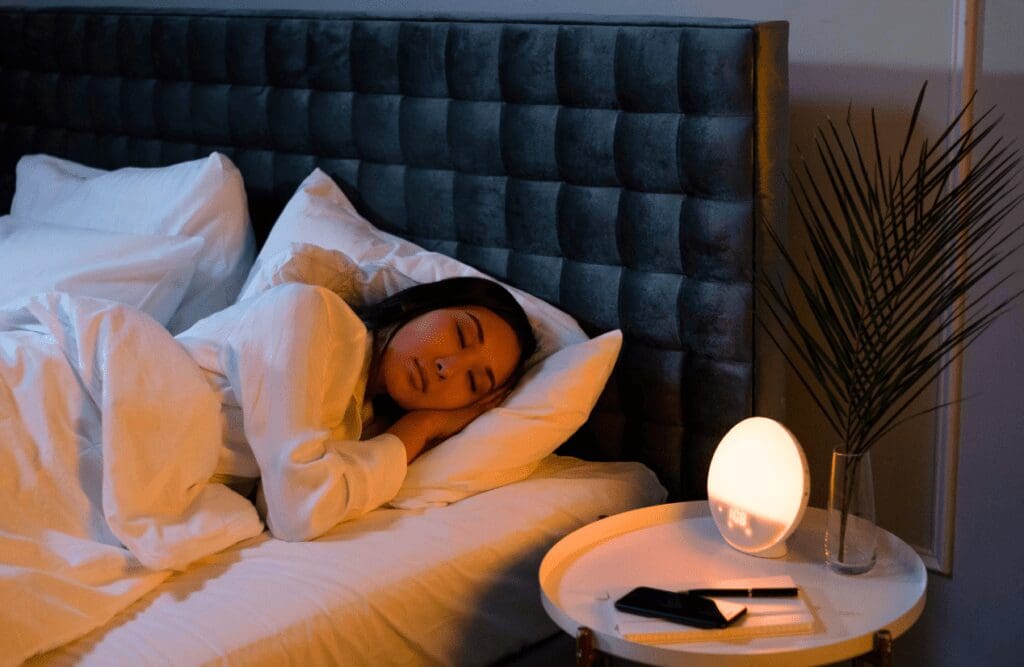

Woman sleeping peacefully on her bed. Hypnotherapy Facts. Impact of Hypnosis on Sleep. Sleep. Brisbane Livewell Clinic

We have these Wellness Blogs that may interest you. Click HERE or HERE or HERE 

You may enjoy THIS Wellness Recipe

Group of women standing on a rock. Brisbane Livewell Clinic Editorial Team. Editorial Policies and Content Standards.
Family laughing. Brisbane Livewell Clinic. Editorial Policies and Content Standards

Authors & Reviewers

Written by the Brisbane Livewell Clinic Editorial Team

Written by the Brisbane Livewell Clinic Editorial Team in accordance with our Editorial Policy and Content Standards.

Reviewed by Our Practitioners

Expert Review by our qualified Practitioners at Brisbane Livewell Clinic (Wavell Heights) and Brisbane Livewell Clinic (Cannon Hill). Our articles are reviewed for accuracy, AHPRA compliance (for Allied Health Services) and alignment with current evidence and best practice under our Editorial Policy and Content Standards.