

Last updated on 5 January 2026 by Brisbane Livewell Clinic Editorial Team
Often the foods that cause Inflammation that are regarded as ‘pro-inflammatory’ contribute to pain-related conditions and musculoskeletal conditions are linked to an aggravated by, poor nutrition (1) Food choices have a profound impact on our health. While we associate poor diet with being a causative effect of poor health, at its root is Inflammation.
Musculoskeletal conditions, including Rheumatoid Arthritis, Osteoarthritis, Gout and Fibromyalgia have some specific dietary strategies. Weight management is often advised as part of a pain management plan. Obesity is a major risk factor for osteoarthritis, particularly of the knee and hip as excess weight places increased load on the body’s joints. (2)
Diet has been strongly implicated in Rheumatoid Arthritis for many years, both regarding cause and cure. Diet strategies for pain management include removing foods that are known to promote inflammation. (3) Of course, foods that aggravate will be specific to the individual. (2)
Here are the top 4 culprit foods that cause inflammation to consider eliminating:
Sugar
A spoonful of sugar does not help the medicine go down! Studies have shown that higher sugar-sweetened beverage consumption is associated with increased risk of developing chronic diseases, including gout and rheumatoid arthritis and to worsen symptoms in some patients with Rheumatoid Arthritis. (4) Many sweet foods are also high in refined carbohydrates, contributing to weight gain via empty calories, especially inactivity and the inability to exercise due to injury.

Red Meat
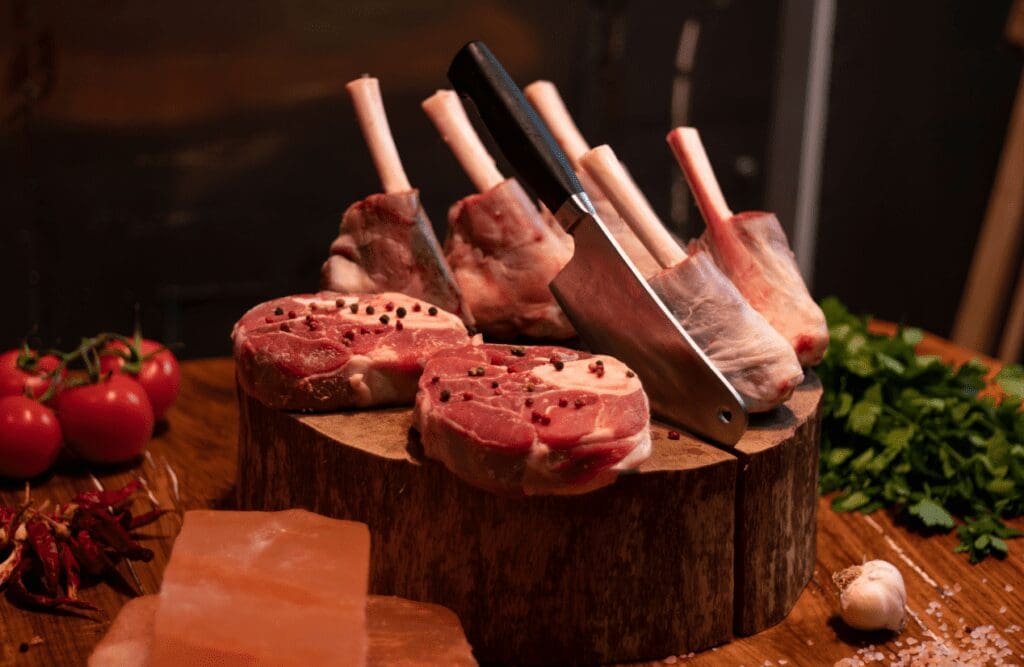
A reduction in the consumption of red meat is worth considering for pain management. A vegetarian diet has been shown to produce significant benefits in treating Rheumatoid Arthritis. (3)
Unhealthy fats
Saturated, trans and oxidised fats may contribute to pro-inflammatory pathways (2), the same pathways that promote the pain response. Limit animal fats like red meat, butter and cheese (high in saturated fat), avoid fried and processed foods (which have undergone oxidation, leading to trans saturated fats). These pro-inflammatory fats also tend to be higher in omega 6, which, while needed, is in excess in modern-day diets compared to omega 3, which is anti-inflammatory.

Caffeine
Due to diuretic effects on body fluid distribution and volume (2) coffee and black and green tea, it can lead to dehydration, making those affected tissues more vulnerable and decreasing the removal of wastes from the tissues.
Food is Medicine
A diet rich in energy intake (excess calories), total and saturated fat, an unbalanced ratio of omega 3 to omega 6 fatty acids that is high in refined carbohydrates and sugar might increase the risk of rheumatoid arthritis directly through increasing inflammation (5). Several approaches may be taken to incorporate an anti-inflammatory eating plan for the individual, taking into consideration age, current weight, exercise, and lifestyle. Appetite regulation can sometimes need addressing concerning pain. Some sufferers can become comfort eaters as a distraction while others may find the stress of dealing with pain causes a loss of appetite.