
Last updated on 30 December 2025 by Brisbane Livewell Clinic Editorial Team
Each month we explore exciting and lesser-known or used plant-based foods from a different region of the world. This month is the Indian Subcontinent, also known as South Asia which includes Bangladesh, Bhutan, India, Maldives, Nepal, Pakistan and Sri Lanka.
Home of spices like black pepper, turmeric and cardamom and with a rich agricultural history in the Indus Valley, the Subcontinent offers diversity in both its flavours and plant-based foods and ingredients. The rich aroma of spice in the cuisine offered from this region is enticing and therapeutic, with many ingredients recognised for their medicinal qualities. There are plenty of plant-based foods and recipes inspired by this region since the highest proportion of vegetarians in the world is found in India, comprising about 30% of the population. (1)
Mung beans, Jackfruit and Millet, are on the menu as we dig into these vegan foods’ qualities and how they can benefit our health. Plant-based diets tend to be heavy in legumes, so we get the facts on mung beans since they are the easiest legume to digest. Jackfruit is becoming more popular in Australia as a plant-based alternative to meat. It is now found in supermarkets, so naturally, we needed to investigate.
Lastly, we explore millet, the gluten-free grain underused but in some cases, for a good reason.

Mung beans
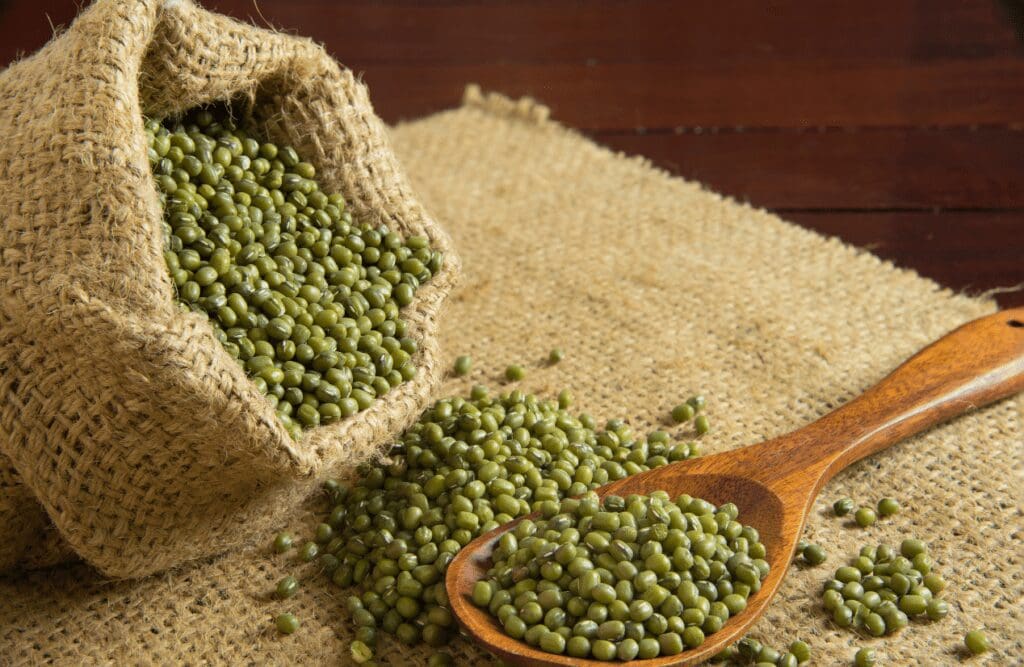
The mung bean is widely cultivated in India, Bangladesh and Pakistan and many other Asian countries and is one of the essential edible legume crops. (2) Mung bean protein is easily digested compared to protein in other legumes induces less flatulence and is easily tolerated by children. (2) In China and other Asian countries, it is well-known that the mung bean is a functional food with the ability to detoxify. (2) Rich in nutrients like minerals, iron and dietary fibre (2) mung beans importantly become a complete protein when served with rice, often as dahl, both staple foods in India and Pakistan. Look out for sprouted mung beans as a healthy raw addition to salads, or you can opt for cooking the dried bean. The green varieties still have skin, while yellow varieties are hulled.
Jackfruit
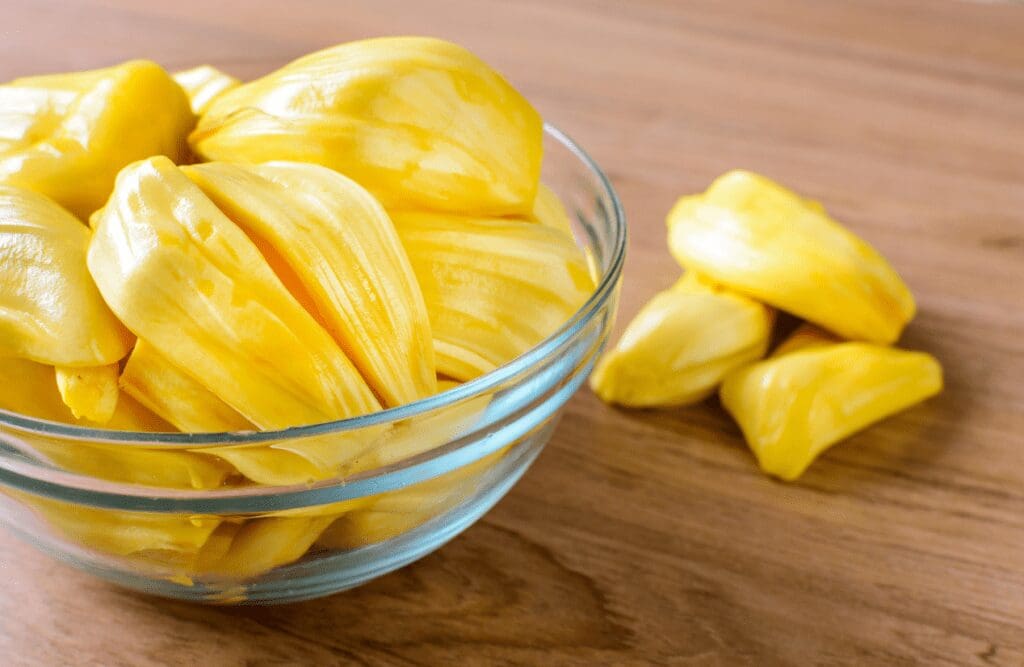
Known to be the largest edible fruit in the world, Jackfruit is rich in nutrients and phytochemicals. It is one of the commonly consumed foods in Sri Lanka since ancient times. (3) Like most fruits, Jackfruit is rich in vitamin C, and it is also one of the rare fruits rich in B vitamins. Compared with other tropical fruits, the Jackfruit’s flesh and seeds appear to contain more protein, calcium and iron. (3) The consumption of jackfruit flesh has increased in recent years (3) due to it’s the numerous and recognised health benefits. Including antibacterial, antifungal, antidiabetic, anti-inflammatory and antioxidant activities. You can find it canned or pre-marinated to add to curries or find suggested sweet recipes like jams, jelly, marmalade and ice cream (3) for a flavour change.
Millet
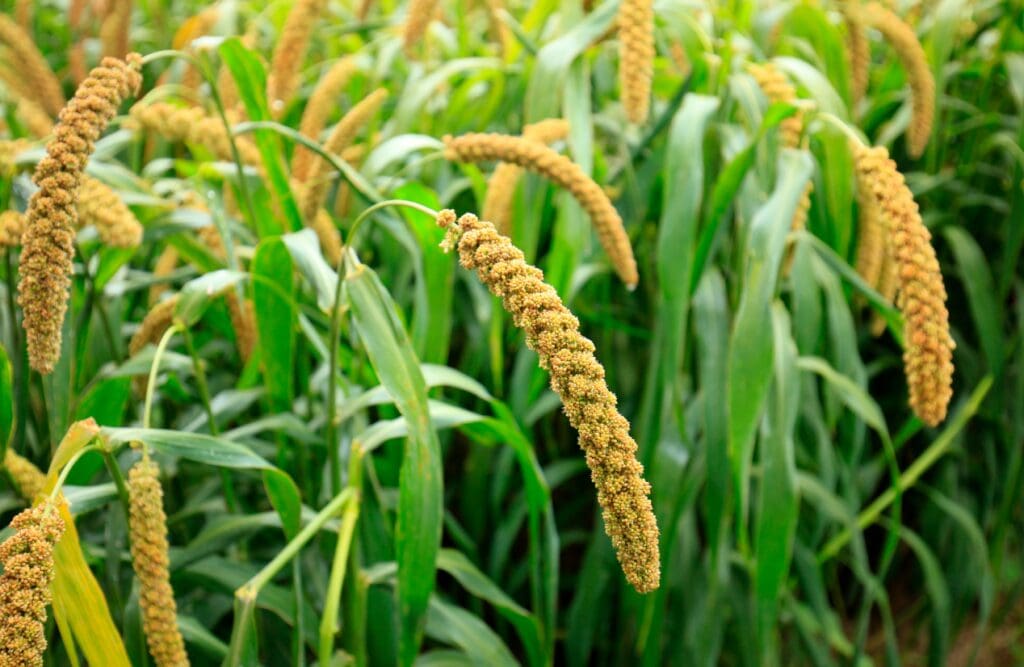
One of India’s most abundant crops, millet has a high nutritional content, is gluten-free and has a low glycemic index. (4) Low GI foods are utilised extensively in the management of Type 2 Diabetes. The focus of studies on millet has emphasised that millet consumption has a positive impact on blood sugar regulation and cardiovascular health (4). High in dietary fibre, protein, and antioxidants, millet consumption can be a great addition to a gluten-free diet. One word of caution, however, is that millet is a goitrogenic food. This means that it can potentially block the uptake of iodine to the thyroid gland, which increases the risk of developing a goitre (enlarged thyroid). It has been found that in areas of iodine deficiency in which millet is a significant component of the diet, its ingestion may contribute to the genesis of endemic goitre. (5) Millet can still be consumed safely in moderation, but its good to be aware of the anti-nutrient potential. The key is to eat a balanced and varied diet and ensure that you are not iodine deficient. Used in place of rice or quinoa and as flour for gluten-free baking, this grain can be easily incorporated into many a meal.
Variety is the spice of life.
The beauty of Plant-based Foods from the Subcontinent is that no matter how bland, there’s a spice to transform essential ingredients into culinary delights. Recipes from this region are authentic, and their antiquity makes for timeless classics as well as the chance to add your twist.
We have a wonderful recipe for you to try HERE. Happy cooking!