

Last updated on 23 December 2025 by Brisbane Livewell Clinic Editorial Team
Coeliac Disease affects 1 in every 70 Australians. However, approximately 80 per cent of these cases remain undiagnosed. This means that there are hundreds of thousands of patients who are right now suffering from this disease and are unaware of it. If you feel that you are displaying symptoms of this disease, please read more to learn about how you can approach this condition effectively and tackling your gluten-free diet.
Read our Ultimate Guide to Coeliac Disease
Understanding what Coeliac Disease is.
Many patients come to us seeking assistance. But first, it is important to understand the underlying factors of this condition.
Coeliac Disease (pronounced ‘seel-ee-ak’) is when the immune system reacts abnormally to gluten, causing damage to the small bowel. Gluten is the kind of protein that is found in wheat, rye, barley and oats. There are tiny finger-like projections that line our bowel called villi. With the continuous consumption of gluten meals, the villous atrophy (villi) becomes inflamed and flattened, reducing the level of nutrients the body can absorb. This ultimately results in different gastrointestinal symptoms.
The failure to diagnose and address Coeliac Disease can lead to various ailments including malnutrition, osteoporosis, depression, infertility and a small – yet real – increased risk of certain forms of cancer.
“Curing” Coeliac Disease
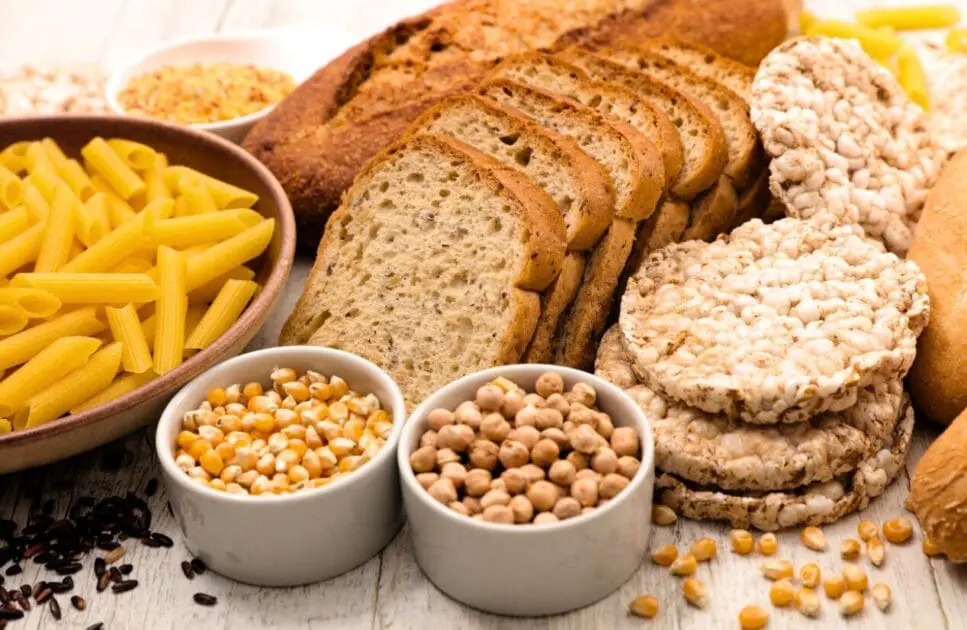
Individuals who are diagnosed with Coeliac disease always remain sensitive to gluten foods. So, in a way, they are never really cured. However, this isn’t to say that they can never be healthy. A life-long gluten-free diet is a best and most effective way to keep the symptoms of this condition at bay. And if maintained over the period of one’s life, you can live a healthy and happy life without the fear of falling ill.

A Gluten-Free Diet – What’s Right For You?
1. Watch Out For The Gluten ‘Red Flags’
Having Coeliac Disease means that you must avoid specific types of proteins that contain gluten. This is the kind not found in meat and eggs; rather in grains, such as wheat, barley and rye. But it would be best if you also watched out for those ‘stealth’ glutens – labels that don’t specify the grains present, but their alternative names, instead. Keep an eye out for malt (made from barley) and hydrolyzed vegetable protein (which often contains wheat).

2. Go For Gluten-Free Bread Choices
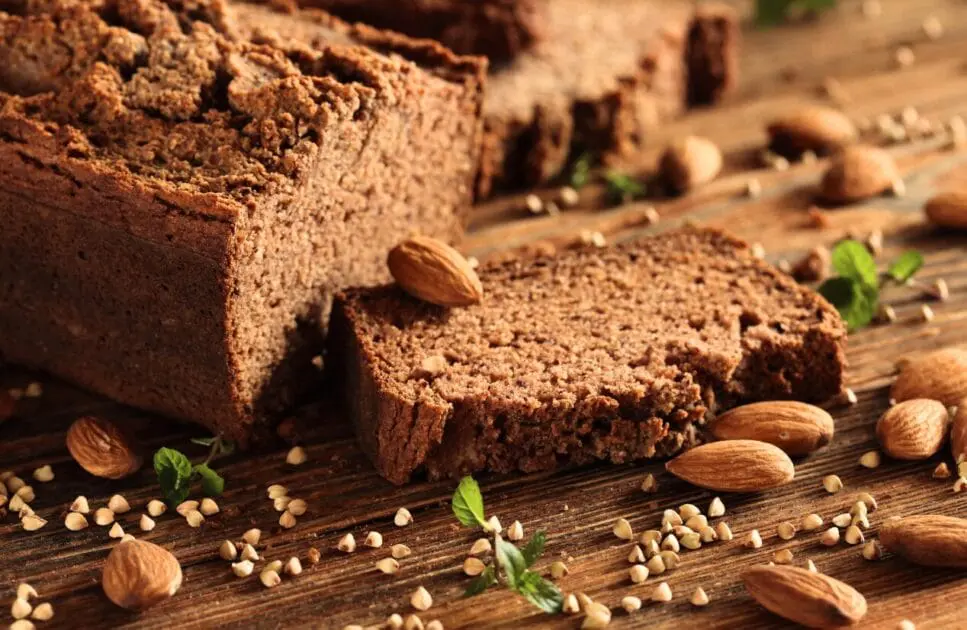
While you may have to eliminate all kinds of bread (white and brown) – including pasta – from your diet, you need not despair; there are alternatives. Many supermarkets offer bread and pasta that is made from rice or potato instead of conventional wheat.
3. Avoid Cookies, Cakes
This may be an obvious red flag, but most tend to overlook the fact that these sweet goodies are loaded with wheat. If you have a sweet tooth, you may have to find alternatives. Instead, indulge in marshmallows, chewy treats and hard candies that are gluten-free.

4. Be Careful of Your Alcohol Choices
Unfortunately, as you may already be aware of the fact, beer is made of barley malt. So you may have to give it up. You may find a gluten-free alternative, but it is best to get in touch with your dietician first. On the other hand, feel free to raise a glass for some wine and liquors that are completely free of gluten.

5. Refrain From Dairy Products
In some cases, it has been observed that untreated patients are often lactose intolerant. Therefore, it is best if you avoid milk and other dairy products until your Dietitian or Nutritionist has checked you.

6. Enjoy Fruits & Vegetables
While there are some foods that you’re avoiding, there is so much more to enjoy. Along with potatoes, rice, wines, whiskey, eggs, fish, meat, you can enjoy all fruits and vegetables. However, if you’re opting for canned products, make sure to check the labels. Some additives may contain gluten.

7. You Need Minerals & Vitamins
Certain patients diagnosed with Coeliac disease may suffer from malabsorption, and thus, develop vitamin and minerals deficiencies. This is especially true in the instance of anaemia (a common symptom of this disease). Iron, B12, folic acid, Calcium or Vitamin K supplements may be required.