

Last updated on 1 January 2026 by Brisbane Livewell Clinic Editorial Team
At the peak of Winter, it’s common to eat a little more, but an insatiable appetite can’t always be blamed on the weather. Appetite control results from metabolic, behavioural, and environmental factors (1) and willpower alone won’t always override the orchestra of influences on our diet choices. With peptide hormones like leptin and ghrelin, the gut-brain axis and stress hormones all influencing our palate and portions of food, let’s see what tantalises our tastebuds and ways to combat an unruly appetite.
The Key Players – Leptin and Ghrelin
- signals satiety
- is produced in proportion to body fat mass
- is a marker of energy stores
- sends signals for food intake by increasing appetite
- increases after several days of overeating in humans
- levels fall dramatically with fasting and starvation
- is secreted by the gastric mucosa on an empty stomach
- stimulates appetite
- is suppressed by ingestion of food
- increases thermogenesis (fat burning)
- increases insulin secretion and its sensitivity

Gut Feelings
The gastrointestinal tract is a highly specialised sensory organ that provides negative feedback during a meal, partly via the gut-brain axis. (6) Regulation of appetite is dependent on the crosstalk between the gut and the brain, which controls appetite and satiety via various signals, regulating energy balance, controlling food intake and energy expenditure. (7)(8) Gut microbiota has been shown to provide a substantial metabolic contribution to the host, (6) indicating that probiotics may have an important role in appetite regulation.

Stress and Sugar

Deprivation and Excess

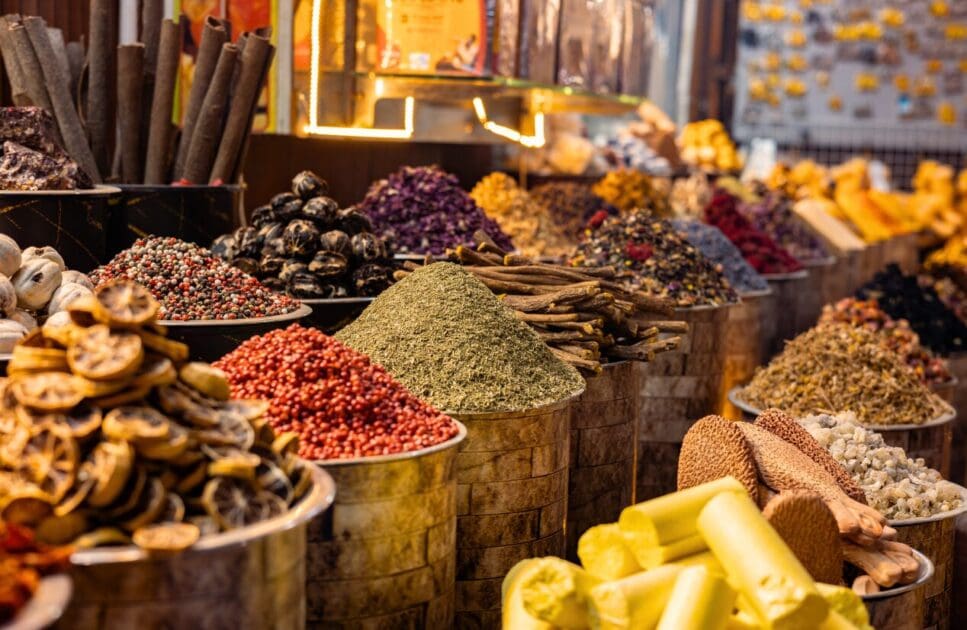
Spice it up
Adjusting your Appetite
Adjusting your dietary strategy can be an individual process, with eating enough being equally as important as preventing overeating. A new dietary approach can often be adequate to improve appetite regulation and there is always support available with our team of natural healthcare providers, who can help to implement diet change that complements your needs.
We’ve written several blogs to keep you well informed on the broader aspects of this topic including Identifying Insulin Resistance and The Seriousness of Sugar. Of course, these are conversations we have daily at the clinic, where Food as Medicine is our way of helping you to Livewell.

We have these Wellness Blogs that may interest you. Click HERE or HERE or HERE
You may enjoy THIS Wellness Recipe