

Last updated on 7 January 2026 by Brisbane Livewell Clinic Editorial Team
Natural Medicine Week helps to raise awareness about the vital role that natural healthcare practitioners contribute to society. Part of this role is ensuring that people are well informed for daily decision making about their health. What starts as professional advice continues into home life for the foreseeable future and in the context of Natural Medicine and Medicinal foods, can become lifelong knowledge for safe and effective home remedies.
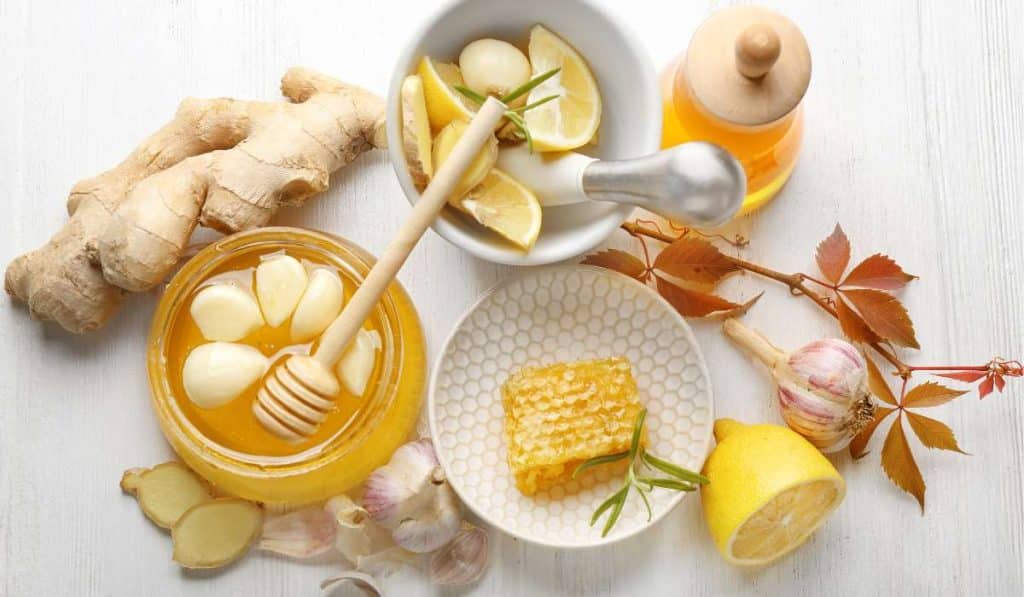
The concept of Food as Natural Medicine and Herbal Medicine as Food explores the power of diet alongside the potency of herbs for greater health and wellbeing. Start writing your shopping list as we come up with some kitchen staples, fresh ideas, and classic ways to use common garden variety foods as Natural Medicine.
To put it in modern terms “Food is a complex array of macronutrients, vitamins, minerals, and phytochemicals that upgrade or downgrade our biological software with every bite.” (1) This reminds us of the power of diet change – we can improve or disadvantage our health through our diet choices. In present day, more people are aiming towards the concept of self-care, with the belief that natural foods are associated with fewer side effects and consequently safer for use. (2) Despite their recognised health giving properties, there are no recommendations for intakes of herbs and spices in the Australian guide to healthy eating. (3) Natural healthcare fills this gap, and is ahead of the curve when it comes to emphasising plant power.
Simple habits can add up – cooking with herbs and spices and drinking herbal teas all increases antioxidant content of the diet. Herbs and spices can also be used to partially or wholly replace less desirable ingredients such as salt, sugar and added saturated fat in recipes. (3)
- Clove – is found to have the highest mean antioxidant value, followed by peppermint, allspice, cinnamon, oregano, thyme, sage, rosemary, and saffron. (4) Looking closer at peppermint, thyme and sage as medicinal foods, these plants are frequently found in household kitchens and can impart several therapeutic effects: (2) (5) (6)
- Peppermint (Mentha piperita) – its long use as a digestive herb makes it a popular choice for relieving symptoms like bloating, abdominal distension, and difficulty passing stool, due to its smooth muscle relaxant effect.
- Thyme (Thymus vulgaris) – used to cure spasmodic gastric-intestinal complaints, cough, bronchitis, laryngitis, and tonsillitis, this strong tasting herb was also used as a vermifuge to expel intestinal worms in ancient Egypt.
- Sage (Salvia officinalis) – similar to Thyme in its medicinal actions, the Latin name of sage originates from the translation “salvation plant”, meaning “save, cure”. Even today sage is a mandatory plant in all Catholic monasteries. Its use for respiratory complaints is rivalled by its role in menopause, with fresh sage preparation demonstrating clinical value in the treatment of hot flushes and associated menopausal symptoms.
There are many ways to maximise nutrition and gain therapeutic benefits from medicinal foods. A few suggestions include:
- Medicinal Mushrooms – Mushrooms are having a moment in the sun, with varieties like Reishi, Shiitake and Lions Mane presently popular food products. You can read more about this topic in one of our recent blog posts here
- Edible flowers – a novel addition to salads, mocktails, cocktails and desserts, varieties like calendula, nasturtium and of course zucchini flowers can impress guests and kids alike. Fresh or freeze dried, edible flowers provide biologically active substances to the diet, including vitamin A, C, riboflavin (B2), niacin (B3) and minerals such as calcium, phosphorous, iron and potassium. (7) Sourcing organic, from a reputable source and ensuring the flower type is actually edible is of course advice on the tip of any herbalists lips.
- Herbal infusions – can be equally effective to calm and soothe frazzled nerves, settle digestive disturbances or promote sleep. In addition to peppermint, thyme and sage, other favourites which can be frequently taken as tea include licorice, chamomile, ginger and dandelion.
- Home Grown – The pleasant scent of a sprig of Rosemary, the potent flavour of a freshly made Basil pesto, the cleansing effect on the palate when Parsley is used as a garnish – food is the perfect way to showcase herbs for their lasting impact on our wellbeing.
We have these Wellness Blogs that may interest you. Click HERE or HERE or HERE
You may enjoy THIS Wellness Recipe