Last updated on 5 January 2026 by Brisbane Livewell Clinic Editorial Team
Heavy metal toxicity might seem like a foreign concept, but the fact is that with toxic elements ubiquitous in our air, water, food, and the physical environment, as well as in many consumer products, prudent avoidance is not always possible. (1) In adults, major chronic diseases including cardiovascular and renal disease, and neurological decline, are strongly associated with toxic elements. (2)
Read our Guide on Heavy Metal Detox Australia.
Take our Heavy Metal Detox Quiz and find out whether you are at high risk for Heavy Metal Toxicity

While it may seem a little overwhelming, the good news is that some accessible diet and lifestyle changes can help to protect from the ill effects of toxic metals. Patients can also make an informed choice to explore heavy metal toxicity further via testing and commit to detoxification and chelation as part of their treatment strategies.
An important factor is knowing the time and effort required to promote the necessary detoxification processes for the removal of a heavy metal burden before embarking on chelation.
Sources of Heavy Metal Exposure
While there aren’t always obvious sources of exposure, heavy metals come into the body from a range of sources including:(1) (2) (3)
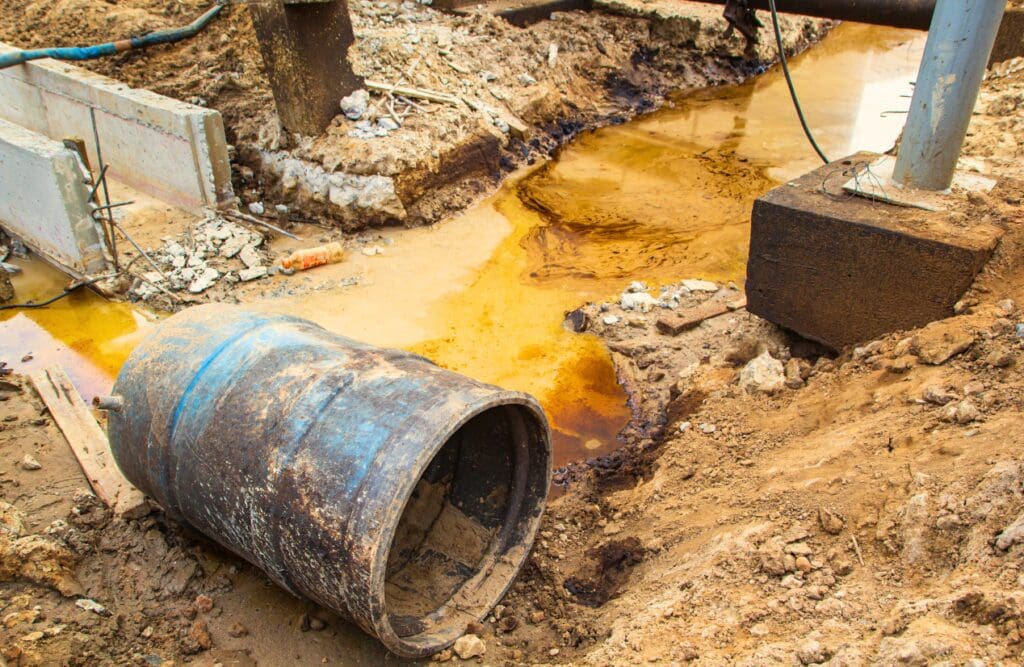
- Activities and legacies of mining and toxic wastes
- Mercury-containing dental amalgams
- Accumulation in the food chain
- Lead in paint, gasoline and old drinking water supply pipes
- Ongoing emissions from industrial and electricity-generating activities (particularly coal-burning) and other incineration (including cremation)
- Chemicals in everyday products
- Technologies such as Nano-materials containing toxic elements like cadmium
- Groundwater or foods with elevated levels of toxic elements
- Tobacco smoking is a major source of exposure of accumulated cadmium and lead from soil
- Electronics, batteries, and alloys
- Older products (pesticides, mercury-containing switches and thermometers, and arsenical wood preservatives)
- Ongoing uses (arsenical veterinary drugs, preservatives, and lamps)
The Importance of Minerals
The most common toxic metals include arsenic, cadmium, lead, and mercury, which have no beneficial role in human homeostasis. (2) Mineral nutritional status affects the uptake of heavy metals, as toxic cations are transported by the same proteins for essential nutrients such as magnesium, zinc, and iron. (2)
Those who are malnourished are at greater risks for toxicity. For example, calcium deprivation can enhance absorption of lead and cadmium, while calcium supplementation reduces lead mobilisation from maternal bones during pregnancy and lactation, protecting the newborn and infant. (2)

Making Metals Move
A range of diet and lifestyle strategies can help to regulate and enhance heavy metal excretion and can be used alongside natural medicines to promote detoxification and chelation.
1. Treating the Gut
Adequate hydration and bowel regularity are essential, since during chelation therapy mobilisation of heavy metals must equal excretion. (2)
Specific probiotics may offer protection against different types of heavy metal toxicity. Some species of lactic acid bacteria (LAB) including Lactobacillus rhamnosus, L. plantarum, and Bifidobacterium longum are capable of binding heavy metals in vitro. (4)
2. Dietary Strategies
Some foods have been suggested to reduce absorption or reabsorption of toxic metals and to support natural detoxification pathways. (2)
Several foodstuffs are shown to have a protective effect against cadmium and lead toxicity. Edible plants, such as tomatoes, berries, onions, garlic and grapes are natural antagonists to cadmium and lead and can be utilised on a regular basis. (5)
Green tea is also effective, mainly due to its active constituent, catechins. (6)
3. Sweating and Saunas
Sweating with exercise or sauna may be of benefit, as toxic metals are excreted in sweat. (2)
Sweat may be an important route for excretion of cadmium when an individual is exposed to high levels, a finding that was confirmed by observing that the total daily excretion of cadmium was greater in sweat than in urine and blood plasma. (1)

Don’t Bear the Burden of Heavy Metal Toxicity Alone
Seeking professional advice is vital when it comes to moving heavy metals out of the body. Liberating toxins means they can more freely access some of our vital organs so there is real potential to do more harm than good in the process.