
Last updated on 13 January 2026 by Brisbane Livewell Clinic Editorial Team
Skin Health and diet are closely bound and your diet plays an integral role in reducing, preventing and supporting the healing of post-acne breakouts Consuming particular foods can exacerbate acne breakouts while others can promote healthy oil flow and support a reduction of inflammation, bacteria formation and reduce and improve scarring. Acne can cause oily skin and several types of lesions and mores can impact a person’s quality of life due to the mental health aspect that acne.
Dietary modifications for skin health are pivotal for long-term results. Your diet and what you consume on a daily basis is the most important thing you change to create results. What we eat can exacerbate inflammation, drive further oil production and worsen acne dramatically. If you are working on your skincare regime, taking all your supplements but disregarding your diet your lack of results will reflect this.
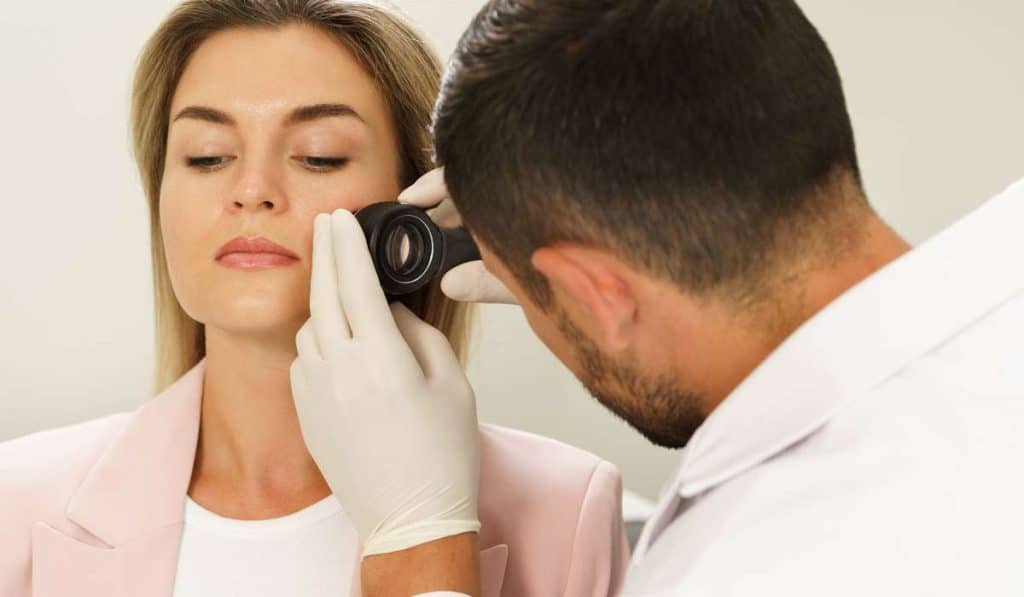
Where to start with your diet:
Antioxidants
Have been shown to help reduce inflammation and oxidative stress in the skin, which may help reduce the severity of acne breakouts. Including courses of antioxidants into the diet such as: acai, blueberries, blackberries, cherries and goji berries.
Blood Sugar Regulation
Particularly important for those experiencing acne breakouts they just cant shift. Insulin resistance caused by blood sugar dysregulation results in high sugar levels in your blood. These higher levels can then increase overall inflammation and free testosterone. This combination can lead to a higher production of sebum (creates more of that oil) making you more prone to breakouts. Eating protein rich, balanced meals every 4 hours to keep levels stable is a must (2).
Eat More Protein
Ensuring protein is essential for skin cell regeneration. Protein itself is made up of building blocks called amino acids, these are essential for a multitude of reasons but the main one we’re highlighting here is helping cells repair. If skin cells are damaged and the epithelial layers of the skin need help in repairing, protein is one of the most essential components as a baseline to help in repair, rebuilding damaged skin, collagen creation and blood vessels support (2).
Dairy Free
Going dairy free can be a powerful tool in acne control due to a factor called Insulin-like Growth Factor (IGF-1). Being a growth hormone it is in higher amounts than the average person in those with hormonal and inflammatory acne, this can trigger the overproduction of oil – creating an environment where acne and bacteria thrives (3).

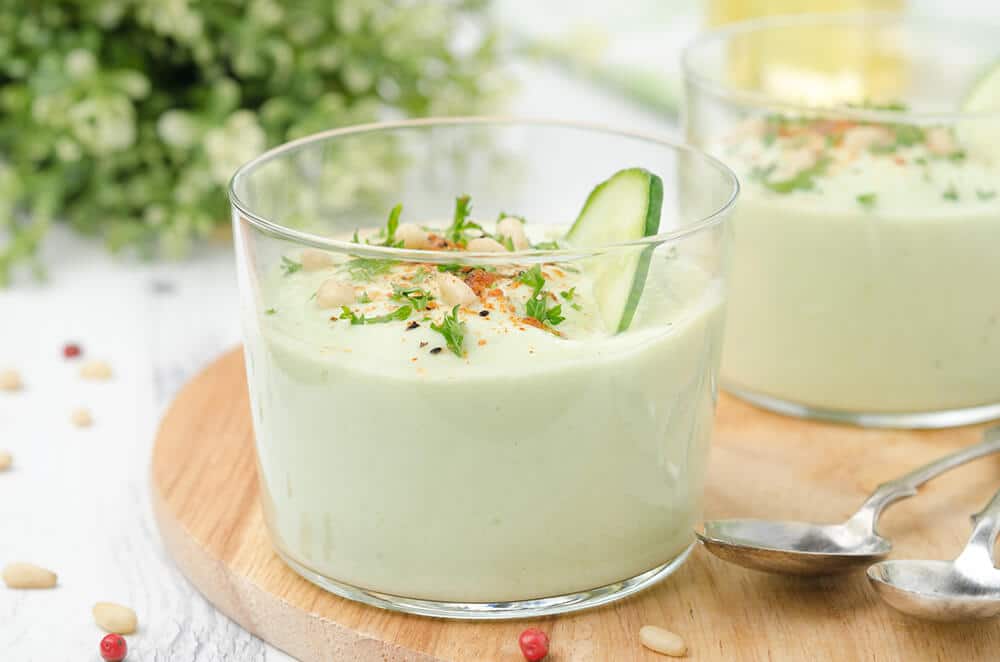
Recipe for Radiant Skin – Chilled Avocado Soup
This Chilled Avocado Soup is refreshing and nutrient-rich that promotes skin wellness through specific nutrition.Loaded with healthy fats from avocado and ingredients that provide hydration and antioxidants, this soup promotes skin elasticity, moisture regulation, and defense against oxidative damage
Ingredients
- 2 Cup Goats milk kefir
- 2 Cup Avocado pulp ((approx. 2 large ripe avocados))
- 1 Cucumber (peeled, seeded and coarsely chopped)
- 2 Tbsp Onion (peeled and diced)
- 1 Lime (zested and juiced (divided))
- 1 tsp Salt
- 1 tsp White pepper
- 2 Cup Milk (of choice)
- 1 Cup Water
- 2 Tbsp Jalapeno sauce
Instructions
- Blend the buttermilk and avocados in a food processor or blender until smooth.
- Add the cucumber, onion, lime juice (reserving the zest), salt and pepper.
- With blender running, add in the milk, water and Jalapeno sauce. Process on high speed until smooth, approximately one minute.
- Remove the avocado soup from the food processor/blender and pour into a large glass jar or container. Secure the lid and chill the soup in the refrigerator.
- Serve cold, garnished with a drizzle of kefir and a slice or two of cucumber.
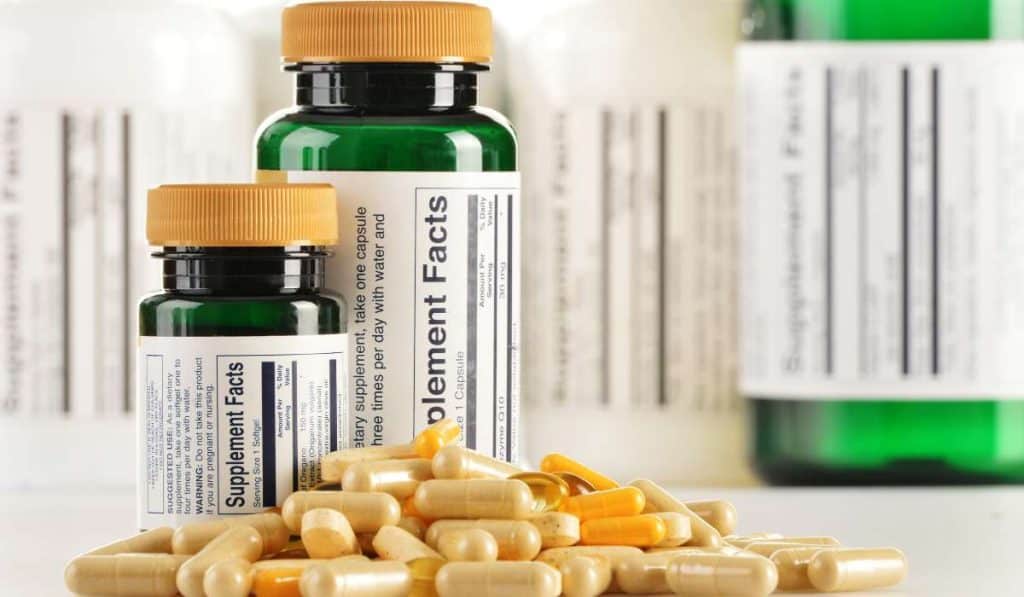
Supplements your Nutritionist may recommend:
Zinc
Research has shown a really strong correlation between acne suffers and low serum zinc levels, confirming that those who are suffering from acne potentially have a zinc deficiency driving that inability to heal or regulate sebum production – this makes zinc a promising and useful tool for decreasing acne and it’s associated inflammation by restoring this baseline nutritional deficiency (4).
Vitamin A
Vitamin A has the ability to decrease the size and secretion of the sebaceous gland (your oil glands) this works towards decreasing overall sebum production and inhibits the growth of acne bacteria. It has been shown to encourage the growth of new skin cells while simultaneously breaking down dead skin cells. Research has shown those with severe acne to have 52% lower levels of Vitamin A in serum testing (1).
Collagen
Collagen is one of the most highly studied amino acids because of it’s readily availability and ease of supplementation, a 2019 dermatology systematic review confirmed going through all the recent studies that up to 10g of collagen per day for 8 to 24 weeks grants notable improvement in skin elasticity, hydration, wound healing, improved acne scarring and even cellulite (5).
Testing Options for Acne:
Baseline nutritional testing is a prominent recommendation for achieving faster and better results. Our practitioners work clinically based on results for optimal results and recommend testing to get a comprehensive idea of your biochemistry and any underlying factors contributing to your skin health conditions.
B12
Vitamin B deficiency can wreak havoc on your skin, causing acne and dry skin.
Zinc & Copper
Serum zinc and copper levels can indicate strongly the requirements of zinc and dosing needed to increase these levels.
Hormone Panel
if you’re feeling like your skin concerns are cyclical and connected to your period, hormone testing provides comprehensive answers as to where your nutritionist or naturopath can tailor your plan to.
Skin health requires so many nutritional baselines for optimised skin cell barrier function and skin cell regeneration. Optimising your dietary and nutritional supplementation to support healthy skin is the first step to a myriad of skin concerns such as acne but also applies to skin conditions such as eczema, rosacea, psoriasis, keratosis pillars and more that your practitioner can support you in.